In a sport increasingly dominated by speed, power, and data, a different kind of elite continues to shape outcomes from the shadows — the most experienced and intelligent players in the game. They don’t always sprint the fastest or rack up the flashiest stats, but they control tempo, anticipate danger, and make decisions that win matches long before the final whistle.
Modern football, especially at the highest level like the UEFA Champions League, has evolved into a tactical battlefield where intelligence is just as valuable as athleticism. Coaches and analysts now focus heavily on what’s called “game intelligence” — the ability to read situations, adapt instantly, and exploit space before it even appears.
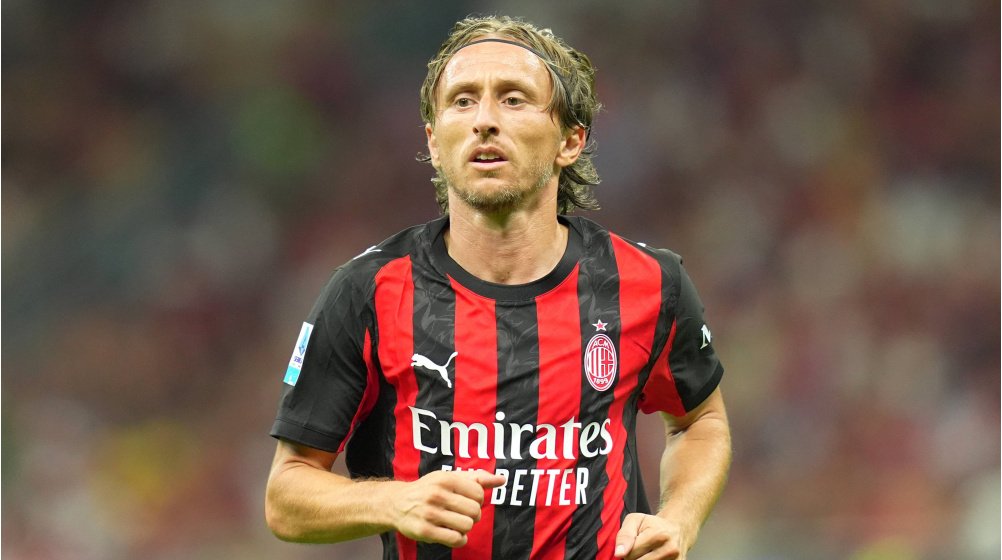
Few embody this better than Luka Modrić. Even in the later stages of his career, the Real Madrid midfielder remains a master of rhythm and control. He rarely needs to outpace opponents physically because he consistently stays one step ahead mentally.
Alongside him, Toni Kroos represents the gold standard of positional intelligence. His passing precision is widely known, but it’s his understanding of space and timing that truly sets him apart. Studies have repeatedly shown that Kroos covers less ground than many peers — yet influences the game more than most.
At the Manchester City, Kevin De Bruyne brings a different dimension to football intelligence. His ability to process information at high speed and deliver decisive actions — often in tight spaces — makes him one of the most dangerous playmakers in the world.
Intelligence isn’t limited to midfielders. In attack, Lionel Messi remains the ultimate example of football IQ. Even with reduced physical explosiveness, his positioning, awareness, and timing allow him to dictate games in ways few can replicate.
Similarly, Karim Benzema redefined the role of a modern striker. Beyond scoring goals, he became a connector — creating space, linking play, and elevating teammates through his understanding of movement and structure.
The new generation is also embracing this evolution. Jude Bellingham has quickly emerged as one of the most tactically mature young players in the game, showing an exceptional ability to read phases of play and adapt his role dynamically. Meanwhile, Bernardo Silva continues to stand out for his versatility and spatial awareness, thriving in complex tactical systems.
But here’s where the modern game introduces something new — and often overlooked: football intelligence is now measurable.
Top clubs are using advanced analytics to track cognitive performance through metrics such as:
- scan rate (how often a player checks surroundings before receiving the ball)
- decision speed (how quickly a player acts after receiving possession)
- positional efficiency (how effectively a player occupies and exploits space)
Players like Messi and De Bruyne consistently rank among the best in these categories, proving that intelligence is no longer just a subjective trait — it’s quantifiable.
There’s also a competitive edge tied to this. Teams built around high-IQ players tend to make fewer mistakes under pressure and perform better in high-stakes matches. That’s why experienced players remain invaluable, even in a faster and more physically demanding era.
Across global football — including emerging African talent pipelines — development models are beginning to shift. It’s no longer just about producing strong or skillful players, but about developing thinkers who understand the game at a deeper level.
In the end, while fans often focus on speed and flair, the true difference-makers operate quietly. They don’t chase the game — they control it.
And in modern football, thinking faster is often the greatest advantage of all. (futnews24)