
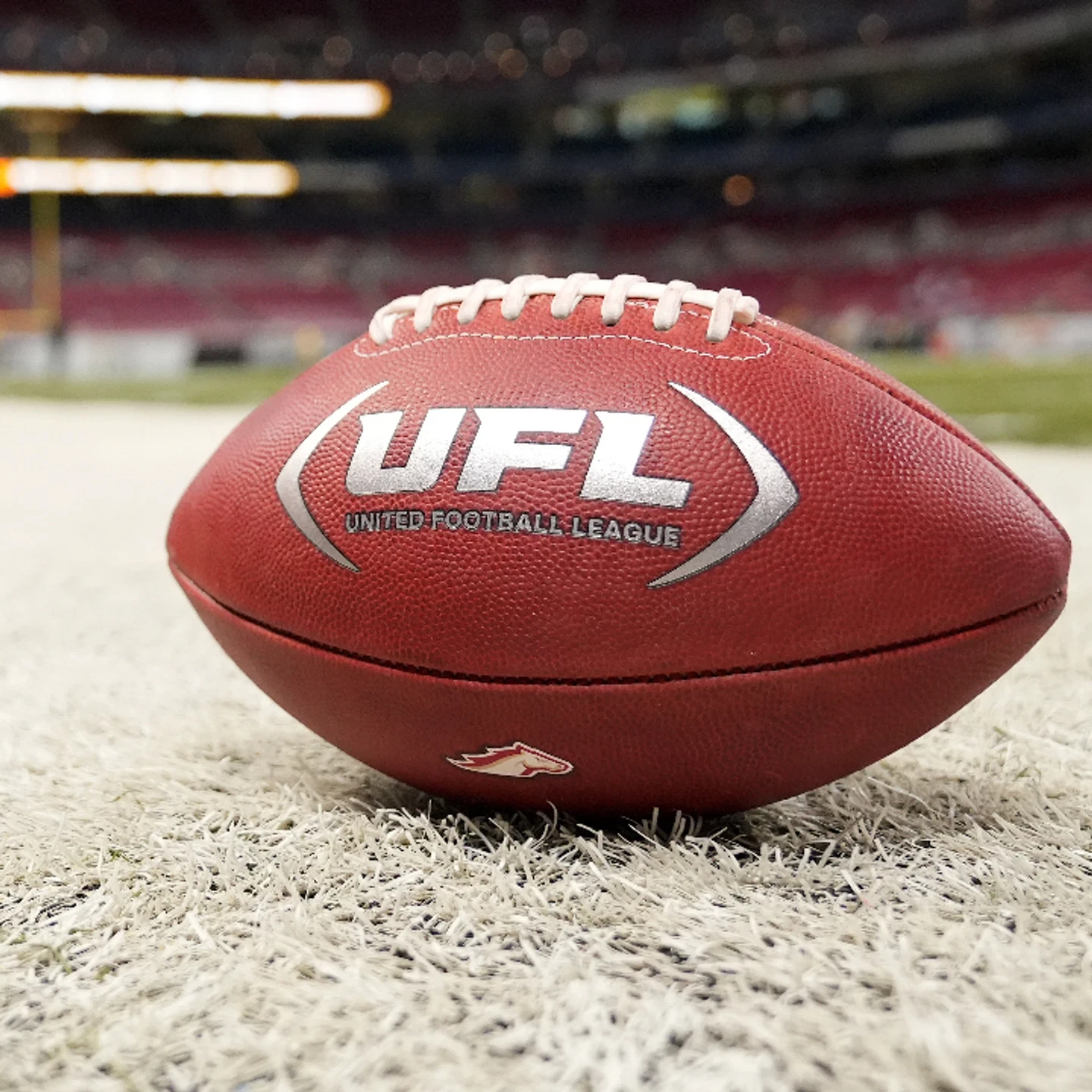
The United Football League (UFL) has officially announced a series of major rule adjustments for the 2026 season, signaling an aggressive push to reshape spring professional football in the United States. League officials confirmed that several experimental measures—designed to increase scoring, speed up gameplay, and enhance late-game drama—will take effect when the new season kicks off in late March.
According to league documentation and recent reports, one of the most attention-grabbing innovations is the introduction of a four-point field goal for long-distance attempts, a move intended to encourage risk-taking and create more comeback opportunities in tight contests . The league believes the adjustment could dramatically alter late-game strategy, particularly in situations where teams previously faced difficult fourth-down decisions.
Focus on Faster, Higher-Scoring Games
League executives have emphasized that the reforms are part of a broader competitive strategy. The UFL—formed through the 2024 merger of the XFL and USFL—has positioned itself as a laboratory for innovation within American football .
Among the priorities for 2026:
- Increasing offensive tempo
- Encouraging aggressive play-calling
- Enhancing broadcast appeal
- Maintaining player safety standards
Officials stated that fan research and performance data played a central role in shaping the changes. The goal is to offer a distinct viewing experience compared to both the NFL and college football.
Strategic Impact on Teams
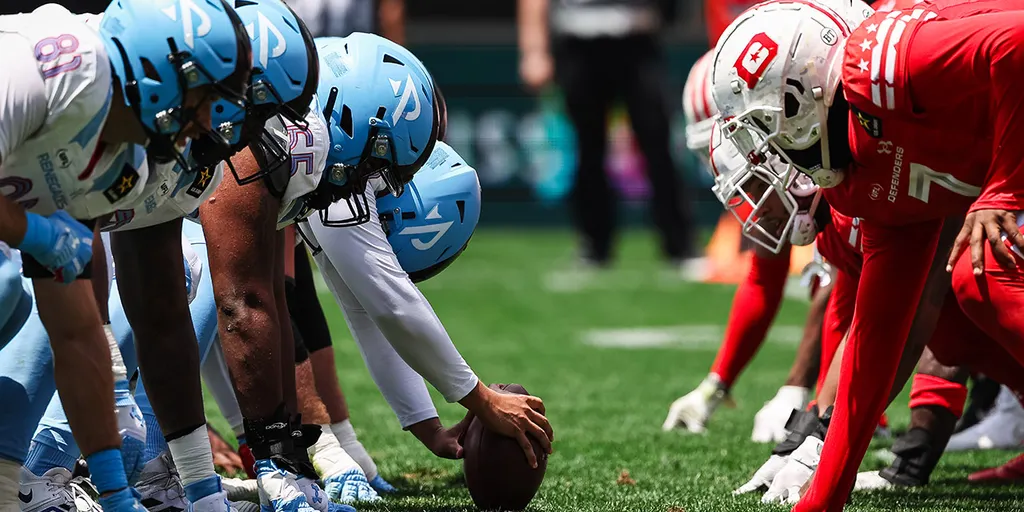
Coaches are already adjusting offseason preparation plans. Special teams units, in particular, may see expanded roles if long-range kicking becomes a legitimate four-point weapon. Analysts suggest this could:
- Shift defensive alignments in midfield territory
- Alter clock management strategies
- Increase the value of elite kickers
- Force more aggressive offensive sequencing
If successful, some observers believe elements of these rule experiments could influence broader conversations about innovation in American football.
Growing Competition in the U.S. Sports Market
The announcement comes at a time when the U.S. sports market is increasingly competitive. Spring football leagues must capture audience attention during a crowded calendar that includes the NBA, NHL, MLB preseason, and March Madness.
The UFL’s leadership has made clear that differentiation—not imitation—is the league’s path forward. By introducing structural experimentation, the organization aims to attract younger audiences while retaining traditional football fans seeking fast-paced, offense-heavy matchups.
What’s Next?
Training camps are expected to integrate the new rules immediately, with preseason simulations focusing heavily on late-game scenarios under the revised scoring framework. As kickoff approaches, the 2026 UFL season may serve as one of the most closely watched experimental chapters in modern American football.
If the changes deliver the promised excitement, the UFL could strengthen its foothold in the evolving U.S. sports ecosystem—and potentially influence how the game is played at higher levels in the future.