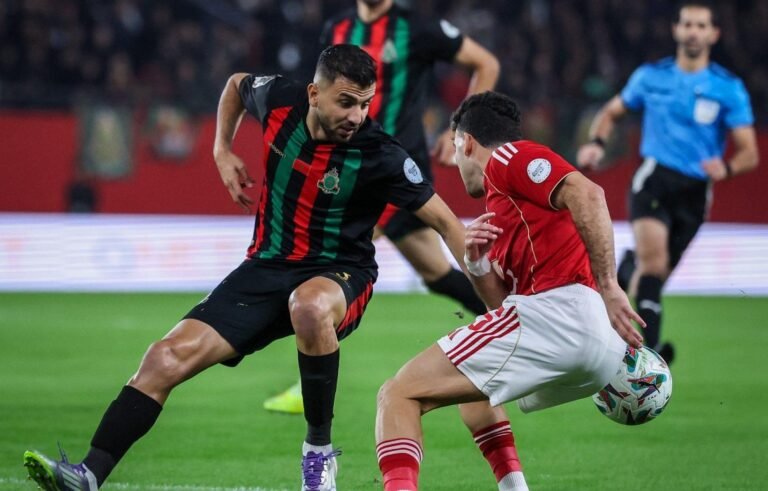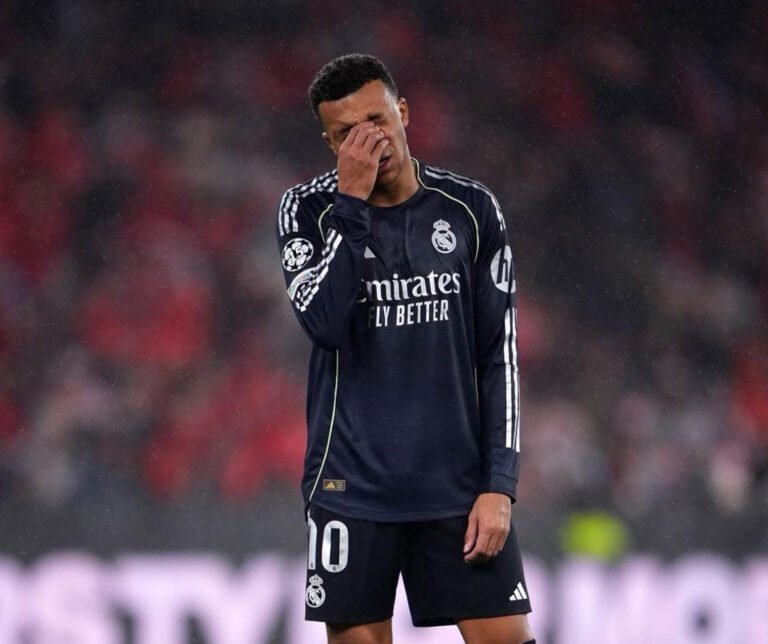
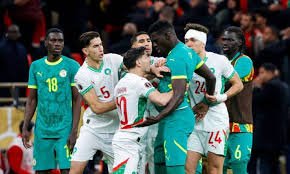
The aftermath of the 2025 Africa Cup of Nations Final continues to generate intense debate across the continent, as disciplinary measures have been imposed following chaotic scenes that overshadowed the decisive clash between Senegal national football team and Morocco national football team.
The sanctions, confirmed by the Confederation of African Football (CAF), include financial penalties, partial stadium restrictions, and individual disciplinary reviews targeting officials and security lapses connected to the incident.
What Triggered the Crisis
Tensions escalated late in the match after a controversial penalty decision that significantly influenced the final result. Protests from players and technical staff quickly intensified, while sections of the crowd reacted with visible frustration.
Reports indicate that objects were thrown onto the pitch and security forces had to intervene to restore order. The situation briefly delayed post-match ceremonies and required additional protective measures for match officials.
CAF’s disciplinary committee launched an expedited investigation, reviewing match footage, referee reports, and stadium security documentation before reaching its verdict.
Disciplinary Measures and Financial Impact
While neither national federation faced competition suspension, both were fined for failing to fully control supporter behavior and ensure post-match safety standards.
Key disciplinary outcomes include:
- Substantial financial fines for both federations
- Conditional stadium bans for future competitive fixtures
- Individual reviews of technical staff conduct
- Reinforced security compliance directives for future tournaments
CAF emphasized that maintaining tournament integrity and spectator safety remains non-negotiable, especially during high-profile continental finals.
Broader Implications for African Football Governance
The incident has reignited discussions about officiating transparency, crowd control protocols, and crisis management frameworks in major African tournaments.
Experts argue that as African football grows commercially and globally, governance standards must evolve accordingly. With increasing international broadcast audiences and sponsorship investments, reputational risks carry greater consequences than ever before.
The episode also underscores the emotional intensity of AFCON finals — where national pride, historic rivalries, and continental prestige converge under immense pressure.
Diplomatic Sensitivities
Given the stature of both Senegal and Morocco in African football, the sanctions carry diplomatic nuance. Both federations expressed commitment to cooperating with CAF and strengthening internal compliance mechanisms.
Privately, officials have acknowledged the need for enhanced crowd management systems, clearer communication with referees, and improved post-match security protocols to prevent similar disruptions in the future.
A Turning Point for Tournament Discipline?
The 2025 final may ultimately serve as a governance benchmark. CAF’s response signals a stricter regulatory posture designed to protect the credibility of Africa’s flagship football competition.
While the football spectacle delivered intensity and drama on the pitch, the events off it have prompted institutional reflection. The challenge now lies in transforming disciplinary action into long-term structural reform.
As preparations begin for future continental tournaments, the message is clear: competitive passion must coexist with professional discipline if African football is to strengthen its global standing.
relacioned :https://futnews24.com/south-africa-crush-india-by-76-runs-in-t20-world-cup-super-eight-thriller/