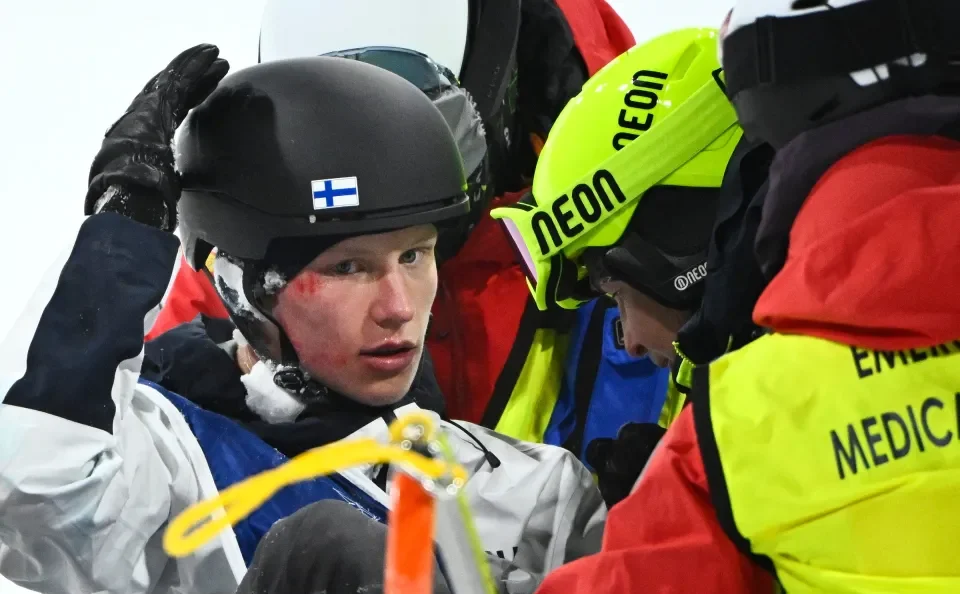
As the 2026 Winter Olympics in Milan-Cortina unfold, and global sporting events continue at a relentless pace, concerns about athlete health and safety have intensified. From catastrophic injuries on snowy slopes to cardiac events on soccer fields, the physical and mental demands on elite athletes are higher than ever, putting sports medicine and preventive protocols in the spotlight. _the sun
Winter Sports: High Risk, High Stakes
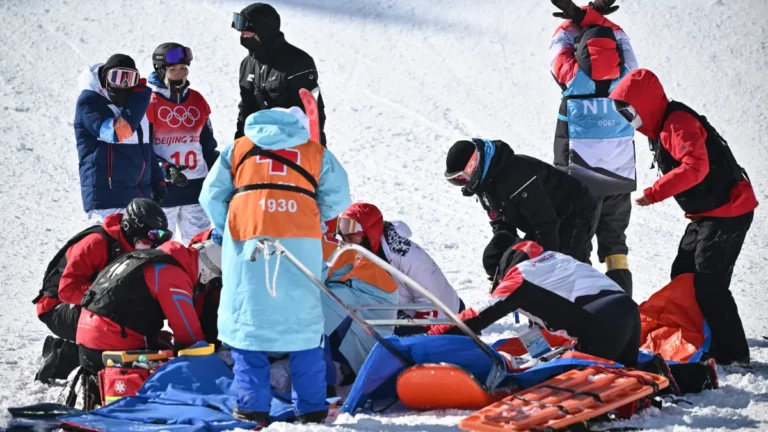
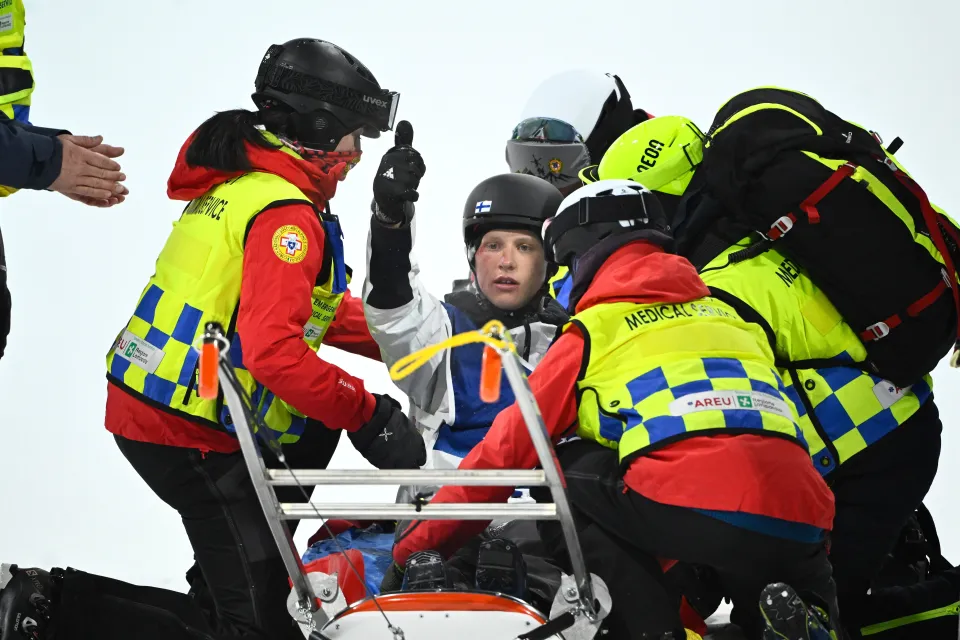
The Winter Olympics, renowned for their thrilling performances and breathtaking spectacles, have also proven to be a proving ground for the resilience—and vulnerability—of athletes. In a dramatic moment during the Big Air skiing qualifications, 18-year-old Finnish athlete Elias Lajunen suffered a head-first fall that left spectators and teammates in shock. Immediate medical intervention stabilized him, allowing for safe transport to a nearby medical facility. While Lajunen is expected to recover, the incident has reignited debates about safety measures in high-speed winter sports.
Veteran skier Lindsey Vonn, 41, also made headlines after aggravating a pre-existing knee injury. Despite multiple surgeries in the past, Vonn’s latest injury forced her return to the U.S., highlighting the cumulative toll of years at the top of competitive skiing. Medical experts note that repeated injuries in high-impact sports not only affect physical performance but can lead to long-term complications, including osteoarthritis and chronic pain syndromes.
These incidents reflect a growing need for enhanced protective equipment, stricter course safety protocols, and personalized injury-prevention programs for athletes. Governing bodies such as the International Ski Federation (FIS) have pledged to review current safety standards and explore innovations in helmet design, course barriers, and impact-absorbing materials.
Soccer and Cardiac Safety: A Growing Concern
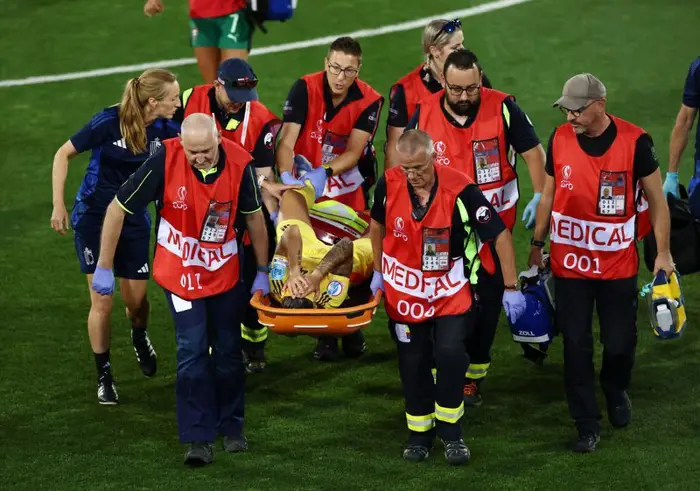
The realm of soccer has recently witnessed a rise in health incidents, particularly cardiac-related emergencies. Angel City FC defender Savy King returned to the field after experiencing a cardiac event nine months prior. Her successful rehabilitation underscores the importance of rigorous cardiovascular monitoring and advanced medical screening. National and international leagues are increasingly implementing mandatory cardiac evaluations, using techniques such as echocardiograms, stress tests, and wearable heart-rate monitors to detect anomalies early.
Cardiac events in young athletes, while statistically rare, have proven fatal in high-profile cases, pushing leagues and federations to prioritize emergency preparedness. From automated external defibrillators (AEDs) on the sidelines to the presence of trained medical teams during every match, sports organizations are taking proactive measures to safeguard player health.
Contact Sports and Injury Management

In addition to winter sports and soccer, high-contact disciplines such as ice hockey and rugby have also experienced heightened health risks. Germany’s Olympic ice hockey player Leon Draisaitl aggravated a hand injury during a critical match, forcing coaches and medical staff to carefully manage his recovery. Rapid decision-making by medical personnel during games is crucial in preventing minor injuries from escalating into career-threatening conditions.
Experts in sports medicine emphasize that injury management goes beyond immediate treatment. Structured rehabilitation, psychological support, and gradual reintroduction to training are all essential components of a sustainable approach to athlete health. Overlooking these factors can compromise performance, increase the risk of reinjury, and shorten athletic careers.
Mental Health: An Underestimated Dimension
While physical injuries dominate headlines, mental health is an equally pressing concern. Athletes competing in high-stakes international events face immense psychological pressure. Studies show that elite athletes are at risk of anxiety, depression, and burnout, especially when recovering from injuries or facing prolonged training schedules. Sports psychologists are increasingly integrated into Olympic and professional team staff, offering coping strategies, resilience training, and individualized mental health support.
Athletes such as Lindsey Vonn have openly discussed the mental toll of injury recovery and competition stress, inspiring broader discussions on how sports organizations can create supportive environments. Mental health is no longer a secondary consideration—it is recognized as integral to peak performance and long-term well-being.
Global Response and Institutional Measures
The spate of recent incidents across winter sports, soccer, and other disciplines has prompted a coordinated response from international sports bodies. The International Olympic Committee (IOC), FIFA, and the International Ice Hockey Federation (IIHF) are all working to enhance athlete safety. Key initiatives include:
- Enhanced Screening Programs: Routine medical checks, cardiac monitoring, and neurological evaluations to prevent life-threatening events.
- Injury Prevention Research: Investment in biomechanical studies to identify risk factors and develop safer equipment and training methods.
- Emergency Preparedness: Comprehensive on-site medical teams, advanced trauma protocols, and real-time injury monitoring during competitions.
- Mental Health Integration: Embedding sports psychologists within teams and providing confidential support for athletes at all levels.
These measures represent a paradigm shift in professional sports, recognizing that the health of athletes is paramount—not only for their careers but for the integrity and sustainability of competitive sports.
Looking Ahead
As competitions progress in 2026, the dialogue around athlete health is expected to intensify. Experts agree that protecting athletes requires a holistic approach: combining preventive care, immediate medical response, long-term rehabilitation, and psychological support.
The Winter Olympics and other high-profile events serve as a global stage for both athletic excellence and medical vigilance. While spectators celebrate record-breaking performances, sports medicine professionals quietly work behind the scenes to ensure that athletes can continue to compete safely.
In the words of Dr. Michael Harrington, a leading sports physician:
“The goal is not just to win medals, but to ensure that athletes leave the sport with their health intact. Every injury prevented or managed effectively is a victory for the individual and for sports as a whole.” (futnews24)