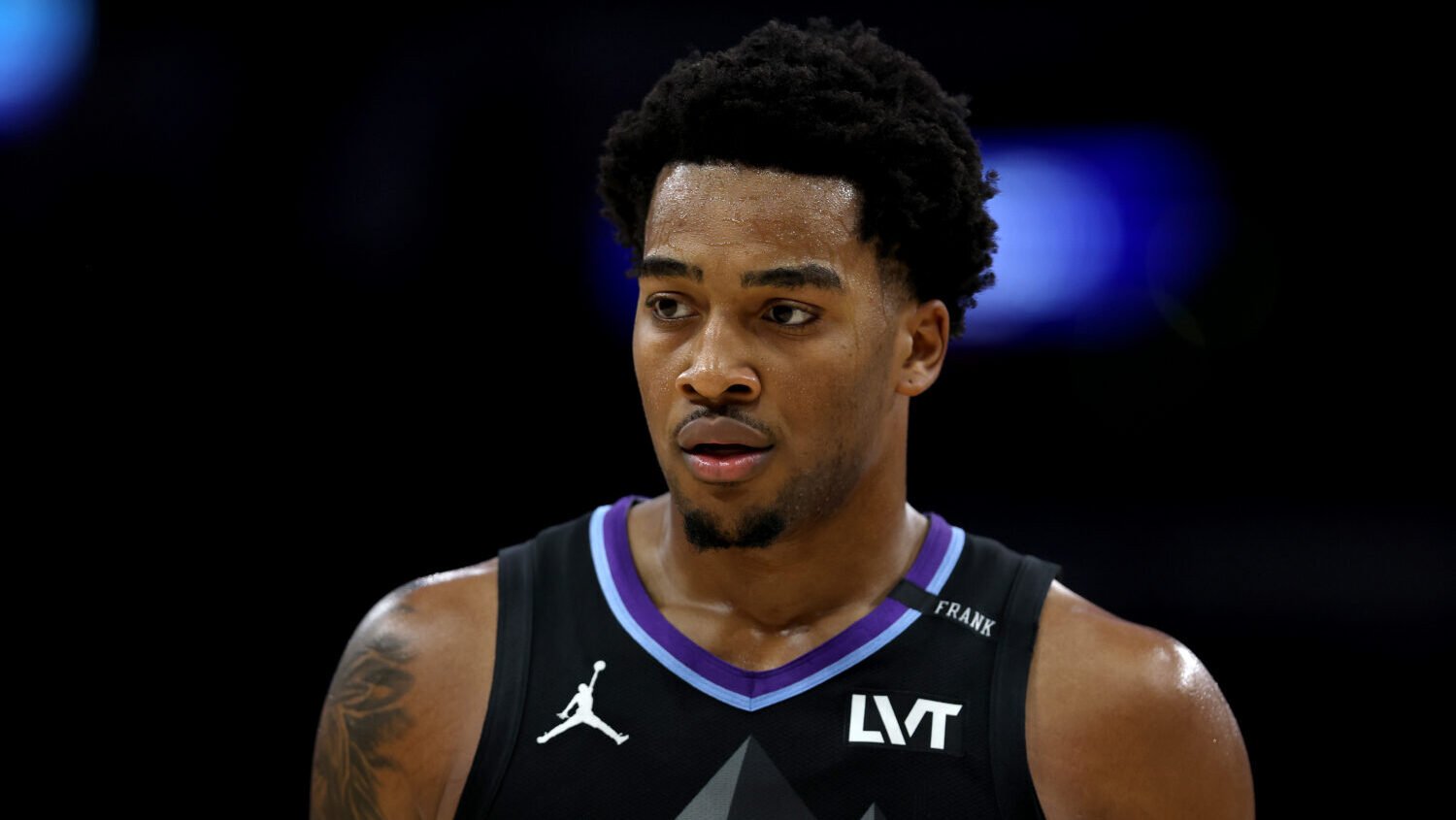
In a significant blow to the Utah Jazz and their playoff aspirations, Vince Williams Jr. has been ruled out for the remainder of the NBA 2025‑26 season due to a torn anterior cruciate ligament (ACL) in his left knee, confirmed by medical imaging and team officials. The announcement marks a pivotal moment in a campaign already defined by injuries, roster flux and strategic recalibration across the league.
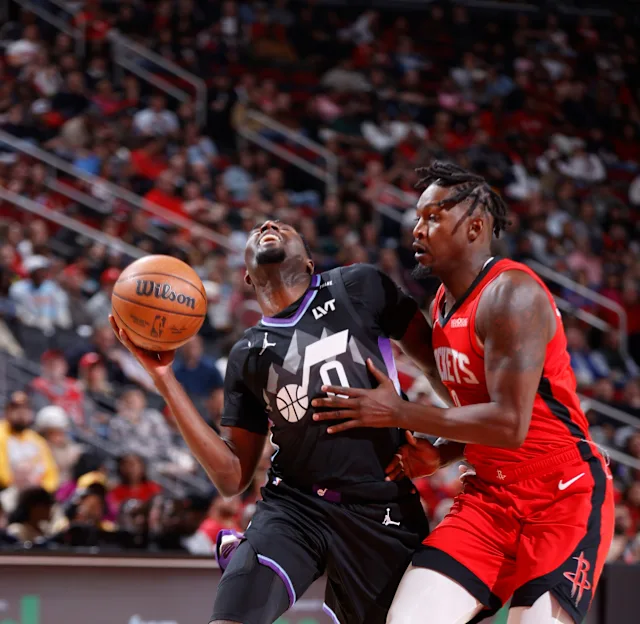
Williams Jr.’s injury occurred late in a recent matchup against the Houston Rockets, when an awkward landing following contact left him grimacing in pain and ultimately unable to continue. Subsequent tests revealed the severity of the injury — an ACL tear — which typically requires surgery followed by several months of rehabilitation, effectively ending his season.
This development has ripple effects not just for the Jazz, but for the broader dynamics of the league, where health and depth increasingly decide competitive outcomes.
Williams Jr.: Rising Contributor and Versatile Wing
Before the injury, Williams Jr. was carving out an increasingly important role for Utah. Acquired in a midseason trade that sent Jaren Jackson Jr. to another franchise, Williams Jr. was expected to bring defensive tenacity, playmaking versatility and scoring spark off the bench — elements that had eluded the Jazz in recent seasons.
During his time with the Memphis Grizzlies prior to the trade, Williams Jr. posted strong all‑around numbers, including roughly eight points per game with contributions across rebounds and assists — a profile that made him an intriguing rotational piece. In Utah, his role was projected to grow as the team leaned into a younger core supplemented by complementary veterans.
Losing such a player mid‑season forces Utah to rethink not just lineups, but strategic priorities moving forward.
Immediate Impact on Utah’s Season
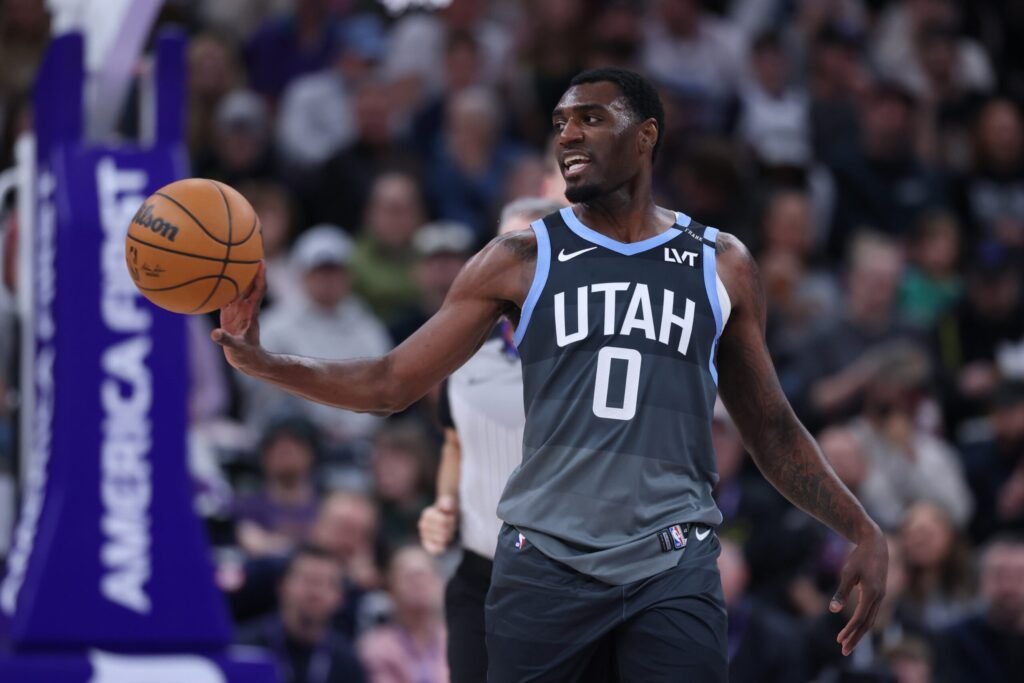
The Jazz had entered the latter portion of the regular season with playoff hopes hanging in the balance — not as clear contenders, but as a team capable of competing in the upper‑middle tier of the Western Conference. With Williams Jr. sidelined, several immediate consequences take shape:
1. Weakened Rotational Depth
Williams Jr.’s absence leaves Utah thinner on the wing, a position that demands both perimeter defense and secondary scoring. Opposing teams are likely to exploit this weakness, particularly in defensive matchups where athleticism and switching ability matter.
2. Increased Load on Star Players
Stars and primary scorers must absorb more minutes and offensive responsibility. This can lead to fatigue, higher risk of minor injuries and decreased efficiency in high‑pressure moments.
3. Strategy Shift for Head Coach
Coach Will Hardy now faces tactical decisions that may alter the team’s identity. Options include leaning more heavily on small‑ball lineups, integrating two‑way players from the developmental roster, or pursuing trade market adjustments before the deadline.
4. Playoff Seeding and Momentum
In a tightly packed Western Conference, every loss — especially late in the season — can cost a team a playoff spot or home‑court advantage. Without a key rotational piece, Utah’s seeding trajectory becomes less predictable, potentially forcing them into a play‑in scenario.
Broader NBA Implications
Williams Jr.’s injury is part of a wider narrative in the NBA where injuries and health management play a central role in competitive balance.
Over the past several seasons, NBA franchises have placed unprecedented emphasis on player wellness, recovery science and load management. Teams now invest heavily in:
- Biomechanical analysis and tracking technology
- Personalized conditioning plans
- 24/7 recovery facilities
- Extended medical and analytics staff
Despite these advancements, injuries still cluster among high‑impact, high‑usage players — especially wings who balance defensive duties with offensive creation.
In this context, the Utah Jazz’s situation is emblematic of a league‑wide challenge: rosters must be designed not just for talent, but for resilience.
Strategic Opportunities and Creative Adjustments
While losing a contributor like Williams Jr. is undeniably a setback, it also opens up strategic opportunities:
Elevated Roles for Fringe Players
Young or bench players now have the chance to prove themselves in meaningful minutes. Teams that succeed in integrating less‑heralded contributors often gain a competitive edge in late‑season games.
Potential Pre‑Trade Deadline Moves
With a glaring need on the wing, the Jazz front office may explore trade options, targeting players who can offer perimeter defense or secondary scoring without breaking the salary cap structure.
Shift in Defensive Schemes
Without Williams Jr.’s versatility, Utah may adopt more zone principles or switching concepts that protect mismatches differently, emphasizing team coordination over individual assignments.
Fan and Community Reaction
The Jazz fanbase responded with sympathy and frustration. Social media threads have reflected a blend of support for Williams Jr.’s recovery and concern over the team’s playoff positioning. Local media analysts noted that while injuries are an inherent part of professional sports, timing matters — and this one comes at a particularly delicate stage of the season.
Looking Ahead: Recovery and Long‑Term Outlook
Recovery from ACL surgery has improved significantly in recent years, with many athletes returning to pre‑injury performance levels. However, the timeline remains substantial — typically ranging from 7 to 12 months before a player returns to full competitive form.
For Williams Jr., the focus now shifts from the remainder of this season to a structured rehabilitation process, guided by medical professionals, strength coaches and team specialists. A successful recovery could make him an asset for Utah’s future core — or across the league, depending on roster moves in the offseason.
A Pivotal Moment for Jazz and the NBA
Vince Williams Jr.’s season‑ending injury is more than just a roster update — it is a moment that encapsulates how fragile and unpredictable an NBA season can be. As the Jazz regroup, their ability to adapt strategically, distribute responsibility and balance competitive aims with long‑term planning will define their second half.
In a league where margins are razor‑thin and playoff seeding is fiercely contested, health — alongside talent and coaching — remains one of the most decisive factors in determining success. (futnews24)
relacioned :https://futnews24.com/nba-injury-trends-in-2026-how-health-challenges-are-shaping-the-playoff-picture/