In a stark reminder of the physical risks elite athletes face, a serious training accident at the 2026 Winter Olympics in Milan‑Cortina has intensified global concern over sports safety protocols. Australian snowboarder Cam Bolton, a seasoned competitor with years of international experience, suffered significant neck and back injuries during a routine training session, abruptly ending his Olympic campaign and reigniting urgent conversations about how elite athletes are protected — both on and off the competition field.
The Incident That Changed Everything
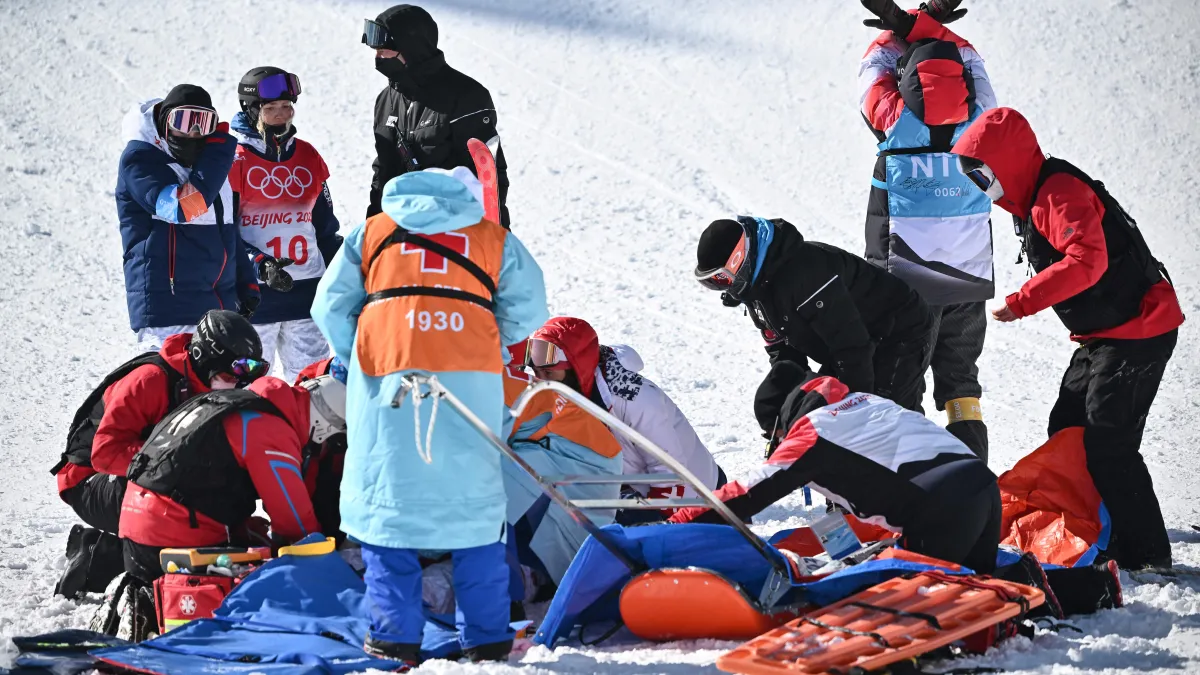
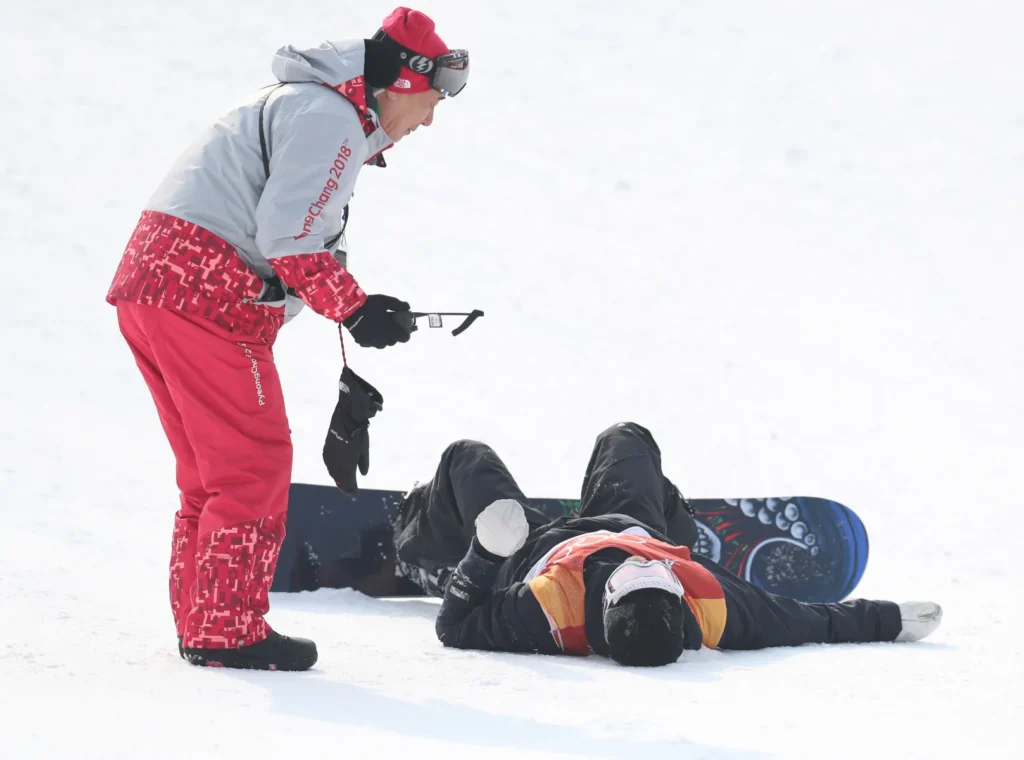
The incident occurred during a routine training run on one of the snowboarding courses outside the main Olympic sites. Bolton, known for his technical skill and smooth style, was executing a series of high‑speed maneuvers when he lost control and landed awkwardly after a jump. Witnesses reported that he appeared stable at first, but quickly signaled distress and was unable to bear weight on his own.
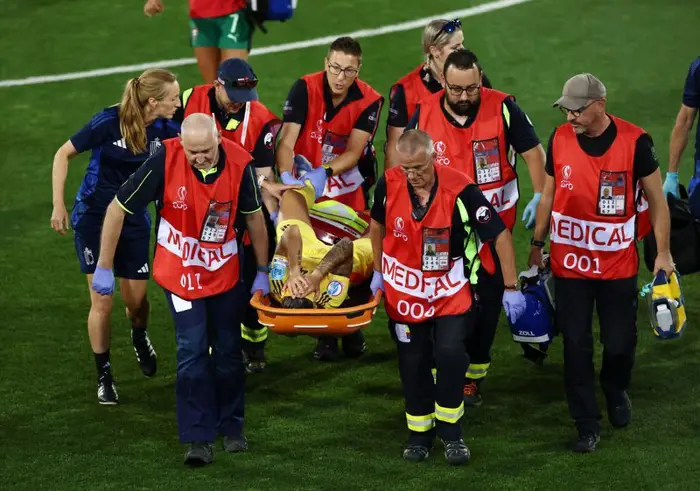
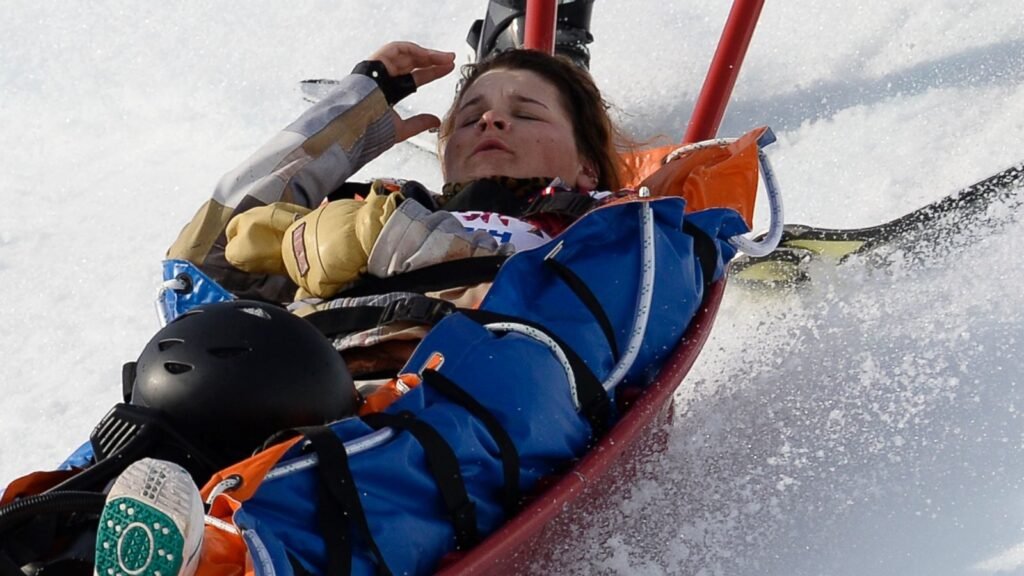
Medical teams were on the scene within seconds. Following initial assessment, Bolton was airlifted to a specialist hospital in Milan where imaging confirmed fractures to multiple cervical vertebrae and a fracture in his thoracic spine. While he remains conscious and communicative, the seriousness of his injury means that his immediate focus will shift entirely from competition to long‑term recovery and rehabilitation.
Immediate Reactions and Medical Response
Bolton’s coach described the moment as “every coach’s worst fear,” noting that even the most experienced athletes are not immune to the dangers posed by high‑impact winter sports. “Cam is intelligent, disciplined, and prepared,” the coach said. “This was one of those moments where the sport’s intensity overcomes even the best preparation.”
Olympic medical officials praised the rapid response of on‑site paramedics, who stabilised Bolton and ensured his safe transfer to advanced care. They highlighted that this was precisely why emergency medical teams are embedded at training venues — not just competition sites — to manage unexpected trauma swiftly and effectively.
Broader Ice and Snow Injury Concerns
Bolton’s injury is not an isolated case. Earlier in the Winter Games cycle, several athletes across skiing and snowboarding disciplines reported minor to moderate injuries during practice runs. While none were life‑threatening, the cumulative effect of repeated impacts, high speeds, and minimal recovery time places winter athletes among the highest‑risk groups for acute injury.
Sports medicine professionals point out that winter disciplines often involve high velocity, unpredictable terrain changes, and complex aerial maneuvers — factors that exponentially increase physical risk. For athletes who train year‑round, the line between peak performance and physical breakdown is perilously thin.
Soccer and Cardiac Safety Take Centre Stage
While winter sports draw attention for their dramatic crashes and bone injuries, other sports have seen a surge in health‑related discoveries, particularly involving cardiac events. In women’s professional soccer, defender Savy King recently returned to play after a cardiac incident forced her off the field nearly nine months ago. Her recovery and gradual return have been credited to comprehensive cardiac screening, intervention, and rehabilitation — a success story that stands in contrast to Bolton’s more acute trauma.
This juxtaposition illustrates a broad spectrum of health issues in sport: from traumatic physical injury to hidden internal risk factors such as heart abnormalities. As more athletes undergo thorough health monitoring, leagues and federations are expanding their medical protocols, including pre‑participation cardiac testing, neurological evaluations, and tailored conditioning programs. _theaustralian
Managing Contact Sport and Acute Injury Risks
In other high‑impact sports like ice hockey, injury concerns continue to rise. A prominent ice hockey player aggravated a hand injury during Olympic competition, drawing attention to the physical toll of contact sports where high speeds and aggressive play are routine. Managing these risks requires not only immediate injury treatment but comprehensive rehabilitation strategies, scheduled rest periods, and multi‑disciplinary medical oversight.
Sports doctors emphasise that returning an athlete to full competition requires more than physical healing — it demands careful monitoring of psychological readiness, structural stability, and long‑term function. A successful return is as much about confidence and mental resilience as it is about healed bone or tissue. _theautralian
The Emerging Role of Mental Health Support
Physical injuries like Bolton’s often overshadow another critical aspect of athlete wellbeing: mental health. The pressure to perform on the world’s largest stage can be immense, and injuries compound the psychological burden. Elite athletes frequently face anxiety, depression, and identity challenges during long recovery periods.
Recognising this, many teams and sporting organisations now integrate sports psychologists into their support staff. These professionals help athletes navigate performance stress, fear of reinjury, and the emotional aftermath of being sidelined during major events.
Institutional Response and Future Safety Measures
In the wake of Bolton’s accident, sports governing bodies are convening to review and potentially revise safety protocols. Discussions are underway among International Olympic Committee representatives, national Olympic committees, and sports medicine experts to assess:
- Training safety standards: Establishing comprehensive risk assessments for practice environments.
- Medical readiness: Ensuring rapid response and long‑term follow‑up care for athletes at all venues.
- Technological support: Investing in real‑time biomechanical and physiological monitoring to detect early signs of injury.
- Education and awareness: Enhancing programs that educate athletes about safe training practices and self‑monitoring.
These efforts reflect a broader understanding that athlete safety must evolve alongside the growing intensity of modern competition.
Rehabilitation and Outlook for Injured Athletes
For Cam Bolton, the road ahead will be challenging. Spinal injuries of this nature require extensive rehabilitation, often involving months of physical therapy, neurological evaluation, and gradual return to movement under medical supervision. While long‑term paralysis is a worst‑case scenario that no one is predicting at this stage, the priority remains full and safe recovery, rather than any rushed return to sport.
Meanwhile, athletes across disciplines are watching closely, recognising that Bolton’s experience could lead to meaningful change. If new safety protocols emerge from this weekend’s developments, future generations of competitors might benefit from lessons learned in adversity.
A Turning Point for Athlete Health Awareness
Sport has always walked a fine line between celebration of human performance and the reality of physical risk. What makes modern sports distinct is the increasing emphasis on athlete welfare — not just in the moment of injury, but in prevention, long‑term health management, and integrated care.
In the words of a leading physician at the Games:
“Protecting athletes isn’t just about reacting to injury — it’s about anticipating risk, understanding the human limits behind the performance, and providing support that extends far beyond the competition itself.”
As the Winter Olympics continue, and as global sporting events proceed throughout 2026, the focus on health — both visible and invisible — will shape conversations not only among medical professionals but within athletic communities, fans, and governing institutions worldwide. (futnews24)