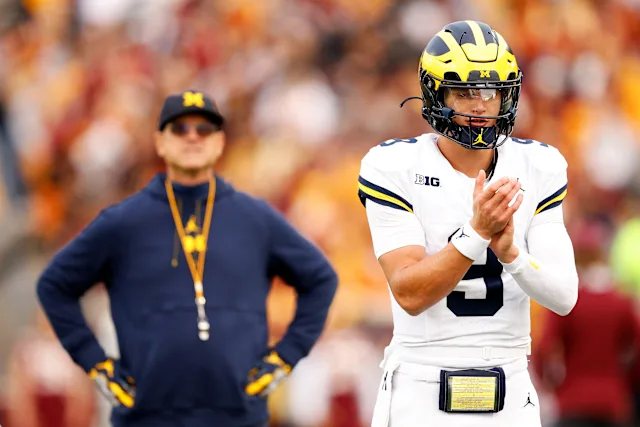
College football in the United States is once again entering a period of transformation. Across major conferences and mid-tier programs alike, coaching staffs are being reshaped, philosophies retooled, and recruiting strategies recalibrated — all in response to the rapidly evolving landscape of the sport.
From the expanded College Football Playoff format to NIL (Name, Image, and Likeness) dynamics and the transfer portal’s continued influence, technical and structural changes inside programs are no longer optional — they are essential for survival.
A Strategic Shift, Not Just Staff Turnover
This offseason has seen a wave of coordinator changes, position coach promotions, and analytics-driven hires. While coaching turnover is nothing new in college football, the motivation behind these moves feels different.
Programs are no longer simply replacing underperforming assistants. Instead, athletic departments are targeting:
- Scheme innovators who can adapt to hybrid offensive systems
- Defensive coordinators with experience defending tempo-heavy spread attacks
- Recruiting specialists who understand NIL negotiation dynamics
- Data analysts capable of leveraging performance metrics in real time
The modern college football staff now resembles an NFL front office in structure and specialization.
The NIL and Transfer Portal Effect
Perhaps the most significant driver of these technical changes is the continued impact of NIL agreements and the NCAA transfer portal.
Players now have unprecedented flexibility. Roster stability can shift overnight. That reality has forced coaching staffs to prioritize:
- Roster management strategy
- Player retention planning
- Relationship-driven recruiting
- Rapid integration of transfer athletes
In many programs, general manager-style roles are emerging — individuals focused specifically on roster construction and NIL coordination.
Offensive Evolution: Speed and Space
Offensively, more programs are adopting tempo-based systems that emphasize spacing, motion, and quarterback mobility. Spread concepts continue to dominate, but the most successful teams are blending them with power run packages and pro-style elements to create unpredictability.
Quarterbacks are now expected to be dual threats. Offensive lines must adapt to quicker snap counts and wider formations. Skill players are cross-trained at multiple positions to maintain flexibility.
The technical adjustments behind the scenes — from film study to practice pacing — reflect that shift.
Defensive Adaptation: Hybrid and Versatile
Defenses, meanwhile, are responding with hybrid alignments. Nickel and dime packages are no longer situational — they are foundational.
Linebackers are being recruited for speed over size. Defensive ends are asked to drop into coverage. Safeties play closer to the box. Versatility is the new currency.
Coaching hires increasingly reflect this philosophy: coordinators with experience in multiple schemes are favored over rigid system specialists.
Player Development in the Spotlight
Beyond X’s and O’s, player development infrastructure is evolving:
- Expanded sports science departments
- Load management tracking
- Recovery technology investments
- Mental performance coaching
Programs understand that development is no longer just about physical strength — it’s about sustainability across long seasons.
The Pressure to Win Now
The expanded playoff system has created a new kind of urgency. More teams have access to championship contention, which increases both opportunity and pressure.
Athletic directors are less patient. Fan bases are more vocal. Boosters expect visible progress. That has accelerated decision-making at the top — and intensified the demand for immediate impact hires.
What This Means for the Future
The current wave of technical changes signals more than offseason adjustments. It reflects a structural evolution of college football into a hybrid model — part professional enterprise, part traditional collegiate competition. (futnews24)
Relacioned : https://futnews24.com/preliminary-hearing-date-moved-up-in-high-profile-rape-case-involving-former-byu-football-standout-parker-kingston/