
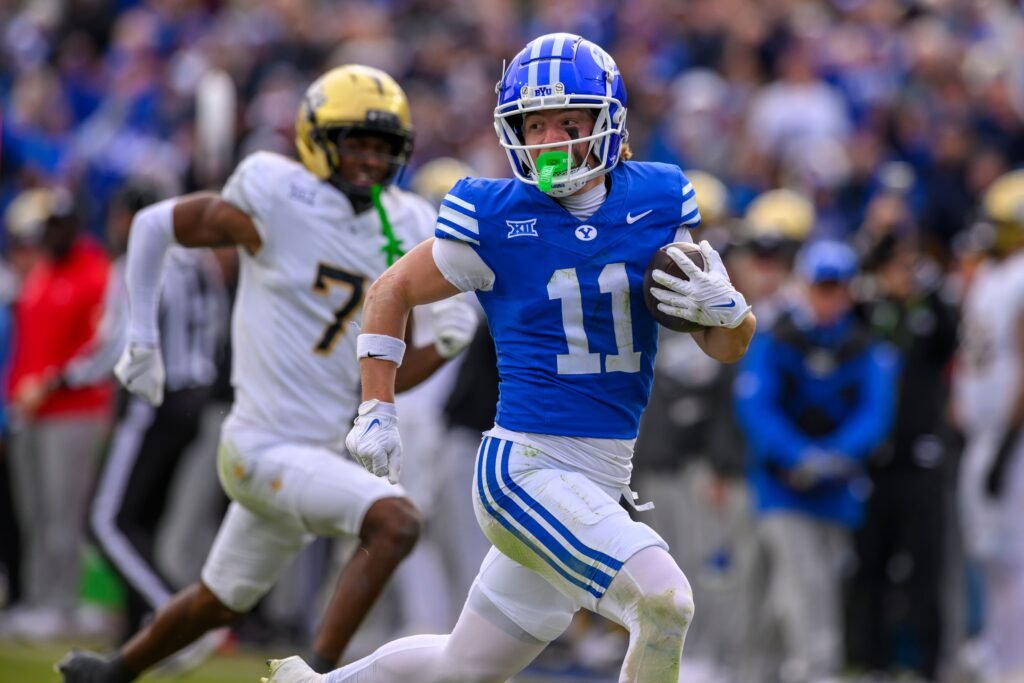
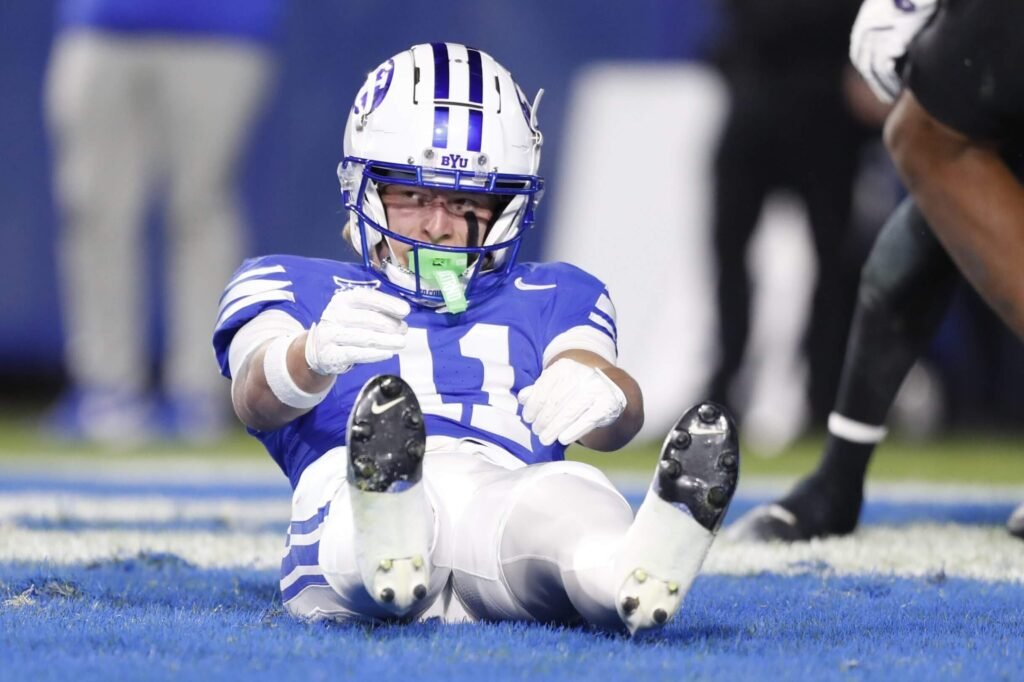
In a case that has captured national attention and raised questions about athlete conduct, former Brigham Young University (BYU) standout wide receiver Parker Kingston continues to face legal proceedings after being charged with first-degree felony rape in Utah. The legal drama surrounding the 21-year-old athlete has entered a crucial new phase as judges, prosecutors and defense attorneys prepare for a significantly accelerated hearing schedule.
A judge in Utah’s 5th Judicial District Court agreed this week to move Kingston’s preliminary hearing to March 23, 2026, advancing it from the originally scheduled April 13 date. The decision came after Kingston’s attorney, Cara Tangaro, informed the court that she was ready to proceed to this next step sooner than anticipated.
What a Preliminary Hearing Means
A preliminary hearing is a key early stage in criminal cases involving serious charges. In Utah, it requires prosecutors to present evidence to show that there is probable cause to believe a crime was committed by the defendant — in this instance, a felony rape. If probable cause is established, the case will move forward toward trial. Alleged victims may, though are not always required to, testify at this hearing.
Kingston has appeared via video link at previous hearings but has not publicly spoken about the charges. His legal team is reportedly evaluating whether the alleged victim will appear in person or remotely if she testifies.
Background of the Case
Kingston, once a celebrated transmission-maker and offensive leader for the BYU Cougars, was charged in early February after a prolonged investigation by local law enforcement and prosecutors. The alleged incident dates back to February 23, 2025, when a then-20-year-old woman reported an assault at her apartment in St. George, Utah. The woman sought medical attention four days later at St. George Regional Hospital, and statements contained in probable cause documentation allege the sexual act was non-consensual.
Kingston allegedly told police that “all sexual activity” was consensual, according to court filings — a statement that his defense has emphasized but which, if contradicted by evidence and testimony, could significantly influence prosecutors’ strategy.
Bail, Restrictions and Background
Following an initial court appearance, Kingston was released on a $100,000 bond, with a $10,000 cash payment required, and ordered to wear a GPS ankle monitor for at least 60 days. Additional conditions included prohibitions on contact with the alleged victim or witnesses and restrictions on social media use.
The university has confirmed that Kingston is no longer a student or member of the BYU football program, a status change that followed his arrest earlier this month amid intense campus and national media coverage. BYU administrators stated they were not aware of the allegations until law enforcement informed them at the time of his arrest.
Broader Implications and Community Response
The case has sparked widespread debate within the university community and among college sports observers. Discussions have ranged from questions about campus reporting obligations under federal Title IX rules to the impact Kingston’s absence has had on team depth charts and recruiting projections. Sports analysts have speculated that his removal could accelerate the development of emerging receivers and shift strategic planning for the upcoming NCAA season.
Student reaction has been deeply divided, with some emphasizing Kingston’s right to due process and others underscoring the importance of accountability and support for victims. Commentary on social media and online forums reflects the emotional complexity of cases involving high-profile athletes — particularly when allegations surface long after the reported incident occurred.
What Comes Next
As the March 23 preliminary hearing approaches, both sides will prepare to present their arguments. Prosecutors must convince the court that sufficient evidence exists to try Kingston for felony rape, while defense attorneys will seek to challenge the strength of that evidence and advocate for their client’s legal rights.
The outcome of the hearing will shape whether this case proceeds to trial — with potential penalties ranging from several years to life in prison if convicted. Meanwhile, the legal process continues under a spotlight, highlighting the intersection of criminal justice, college athletics and community expectations in cases of alleged sexual violence. (futnews24)