In a move that has sparked fierce debate across the American football world, the Cleveland Browns have proposed a controversial change to the NFL’s draft trading rules that could have far‑reaching implications for team strategy and competitive balance.
The proposal, unveiled at the 2026 NFL Scouting Combine, seeks to amend the league’s draft regulations to allow teams to trade draft picks up to five years in the future, a significant departure from the unofficial three‑year limitation that has long governed such transactions. If approved by at least 24 owners during upcoming league meetings — expected in March or May — the rule would mark one of the most significant structural adjustments in recent NFL history.
A Bold Vision With Deep Risks
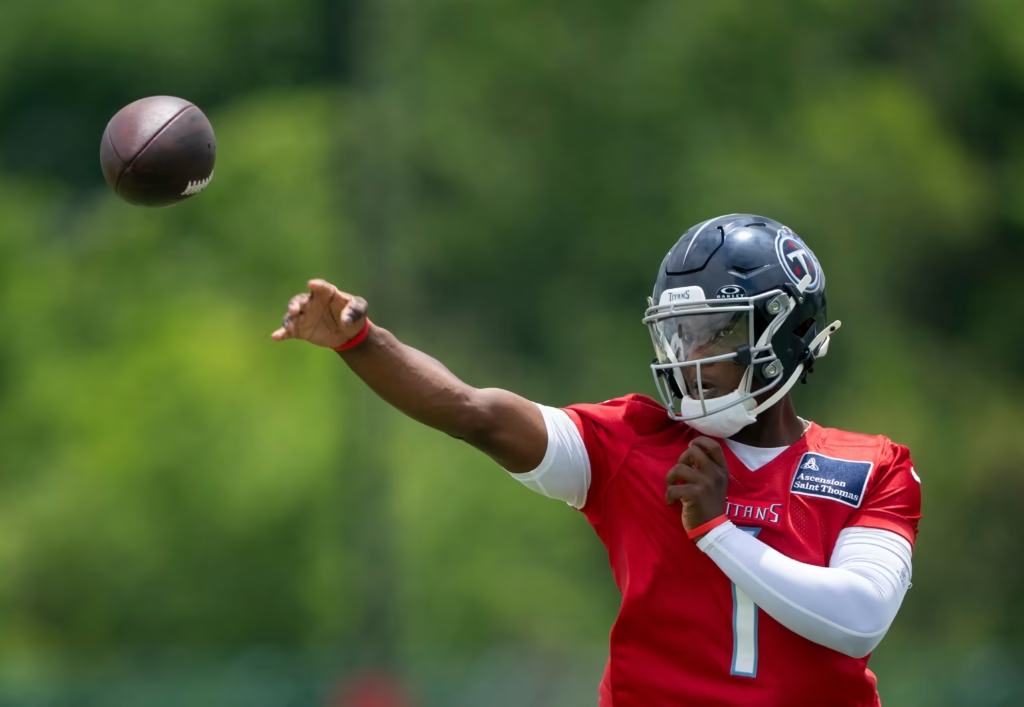
The Browns, known for their willingness to make aggressive roster moves, argue that expanded draft flexibility could provide teams with greater strategic freedom — particularly those in early stages of rebuilding or attempting to build sustained contender status.
General Manager Andrew Berry, whose tenure has seen bold moves including the high‑profile trade for quarterback Deshaun Watson, has publicly championed the proposal. According to insiders, Berry believes that allowing teams to trade draft capital further into the future could level the playing field and generate a broader array of roster construction strategies.
However, critics have been quick to voice concerns.
Critics Warn of Dangerous Trade Imbalances
Analysts, former coaches, and rival executives warn that the proposed five‑year trade window could prompt teams to mortgage their future for short‑term gains. The Browns themselves are often cited as a cautionary example: after trading multiple first‑round selections for Watson, the team has yet to reap consistent returns, raising questions about the long‑term wisdom of such aggressive moves.
Some league observers have gone as far as to label the proposal “dangerous,” suggesting that teams might be incentivized to offer increasingly valuable draft capital — potentially including future top picks — for immediate roster help. Such trading could weaken the competitive integrity of the NFL’s draft system and increase volatility among franchises, they argue.
Strategic Impacts for Rebuilding Teams
Supporters of the proposal point out that teams currently stuck in rebuild mode often face constraints when trying to leverage long‑term future assets. By granting extended leeway on draft pick trades, clubs could pursue more bold roster transformations with greater confidence.
For example:
- Teams with aging rosters could offload future picks for present talent.
- Rebuilding clubs might package multiple years of picks for standout players who can catalyze culture change.
- Analytical front offices could design multi‑year strategic programs with greater flexibility.
Yet opponents counter that the risk of overleveraging future drafts outweighs the benefits, especially for organizations without stable foundations.
Owner Votes and Future Debates
The proposal requires support from 24 of the 32 NFL owners to pass — a high threshold that reflects the gravity of the rule change. Owners will debate the issue at the league’s spring meetings, where other key items — including media rights discussions and potential rule tweaks — are also on the agenda.
Some industry voices believe that even if the Browns’ specific proposal does not pass, it could spur broader conversations about how the draft, trades, and team building intersect in a post‑free agency, analytics‑driven era.
Fan and Analyst Reactions
Reactions on social media and in sports media have been polarized:
- Proponents say the change could replicate aspects of player trading seen in other major U.S. leagues, providing teams greater latitude to pursue title windows.
- Critics worry it could undermine the draft’s role in promoting parity — a cornerstone of NFL competitive balance.
Many commentators have noted that while innovation is often positive, the risks associated with future‑year trades — particularly for franchises struggling to find consistent success — may outweigh strategic flexibility.
Looking Ahead
As March approaches, the NFL and its stakeholders prepare for what could be one of the most consequential rule discussions in years. Whether the Browns’ proposal succeeds or not, the debate itself signals a league increasingly willing to reconsider long‑standing governance structures in the pursuit of competitive evolution.
With fan engagement high and media attention intensifying, the decision may not only reshape draft mechanics — it could alter the strategic calculus for NFL franchises for years to come. (futnews24)
relacioned : https://futnews24.com/controversy-comeback-a-new-chapter-jontay-porters-unexpected-return-to-professional-basketball/