

As the NBA 2025-26 season continues, a narrative with far-reaching implications is gaining momentum — not about a single game or individual injury, but about how the league and its franchises are redefining youth development pathways across the United States and globally. While the sports world often focuses on draft picks, trades and playoff races, a quieter transformation is taking place: the integration of comprehensive basketball skills academies, elite training networks, and junior development programs that are reshaping how the next generation of players emerges.
This shift promises to impact not only future stars but also the cultural and economic landscape of basketball as a global sport.
Expanding the Pathway: Beyond Traditional High School Routes
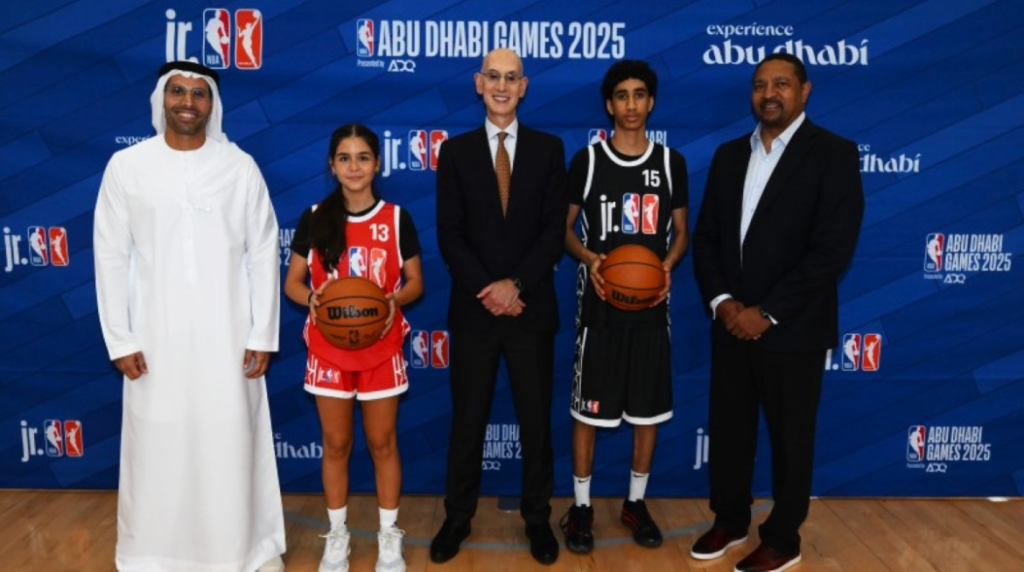
Traditionally, aspiring professional players navigated a path from high school to college ball, and then — for the elite — into the NBA draft. However, modern basketball has become more complex and more opportunity-rich:
- Elite prep academies are now partnering with professional teams to provide year-round training
- AAU circuits (Amateur Athletic Union) have grown in prominence as scouting grounds
- International development leagues are attracting U.S. prospects earlier than ever
- The NBA G League Ignite serves as an alternative to college, focusing on professional readiness
Collectively, these options represent a multipronged development environment that goes beyond the NCAA model and expands opportunities for athletes of diverse backgrounds.
NBA-Affiliated Skills Centers: A New Institutional Focus

Across the United States, NBA franchises are increasingly investing in skills training academies, often in partnership with local school districts and community centers. Unlike previous one-off clinics or summer camps, these long-term programs provide:
- Year-round coaching from former NBA players and certified trainers
- Technology-driven performance feedback (video analysis, biomechanics, cognitive tools)
- Strength and conditioning tailored for youth athletes
- Academic support and life skills education
- Counseling on career pathways both on and off the court
This comprehensive approach is designed to develop athlete identity and character, not just technical ability. It is a response to both parental concern and league commitment to holistic youth empowerment.
The Impact of Globalization and Data Analytics
Two broader forces are amplifying the impact of skill-development initiatives:
1. Global Talent Integration
Basketball talent is no longer concentrated in U.S. high schools and colleges. Countries in Europe, Asia and Africa now regularly produce NBA-ready prospects through structured academies and international leagues.
NBA franchises are scouting talent earlier, collaborating with overseas development programs, and even opening satellite training centers abroad. This global integration reflects the sport’s expanding economic and cultural footprint, while also providing real pathways for international athletes to thrive within the NBA ecosystem.
2. Data-Driven Player Development
Modern player development relies heavily on analytics — not just for team strategy, but also for individual progression. Skills academies are employing systems such as:
- Motion-capture analysis for shooting mechanics
- Strength and fatigue sensors to prevent overuse injury
- Cognitive performance metrics to optimize decision-making
- AI-enhanced video breakdown for tactical understanding
These technologies — once reserved for elite NBA rotations — now trickle down to youth development, enhancing precision in training and shortening the learning curve for emerging players.
College vs. Professional Pathways: A New Competitive Balance
The NCAA remains a dominant force in U.S. basketball, but its role as the sole gateway to professional leagues is diminishing. Increasingly, promising athletes are:
- Electing to join G League development teams with guaranteed income
- Signing with international clubs where professional competition begins earlier
- Engaging in hybrid programs that balance academic and athletic development
- Pursuing non-traditional routes that emphasize skill specialization
This diversification provides young athletes with agency over their career trajectory, allowing choices that align with personal values, financial goals and readiness levels.
Economic and Community Implications
The rise of structured youth basketball academies also carries significant economic and social impact:
- Local economies benefit from academy-driven employment and infrastructure
- Parents and families invest in long-term development rather than short-term exposure
- Underserved communities gain access to structured programs that were previously unavailable
- League branding and community goodwill build pathways for long-term fan engagement
Franchises that embed themselves in local youth ecosystems — by offering scholarships, mentorships and family support services — are often rewarded with stronger brand loyalty and broader civic influence.
Challenges and Criticisms
Despite the positive momentum, several challenges remain:
Equity of access: Elite development pathways can be expensive, potentially leaving talented athletes outside major markets at a disadvantage.
Early specialization concerns: A focus on basketball performance at a young age risks physical burnout and limits holistic athletic development.
Academic balance: Ensuring that young athletes maintain educational progress while training rigorously remains a critical concern for parents and educators.
The NBA and its partners have acknowledged these issues, with many programs incorporating academic support, mental health resources and cross-training opportunities to mitigate risks.
Looking Ahead: A New Era of Talent Cultivation
The basketball development landscape in 2026 reflects a multi-layered ecosystem where professional stakes and personal growth converge. The next generation of NBA stars may emerge from:
- Suburban gymnasiums equipped with analytics platforms
- Community centers with year-round academy support
- International leagues recognized as professional pipelines
- Hybrid school-professional programs focused on balanced growth
Instead of a singular path to the NBA, we are now witnessing a constellation of pathways, each offering unique benefits and challenges.
Ultimately, this evolution benefits the sport at all levels. Teams gain deeper pools of prepared athletes, young players gain clarity and structure in their aspirations, and communities gain long-term opportunities for engagement, health and economic participation.
The future of basketball — both in the United States and globally — is no longer defined just by talent, but by the opportunities that structures, technology and strategic investment create.
relacioned :https://futnews24.com/vince-williams-jr-out-for-the-season-what-it-means-for-the-utah-jazz-and-the-nba-landscape/