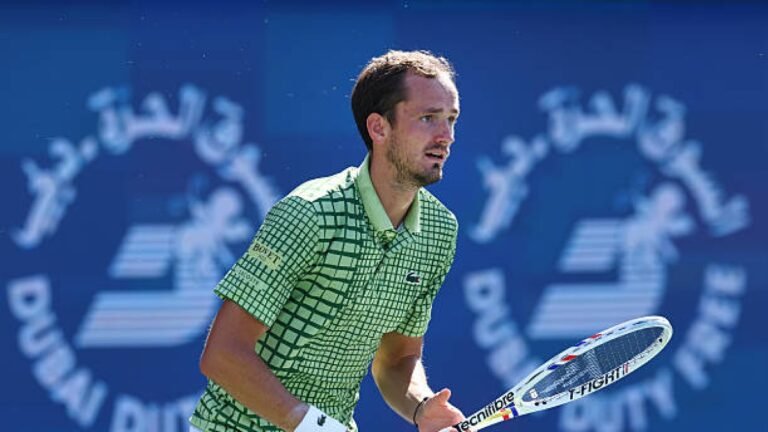
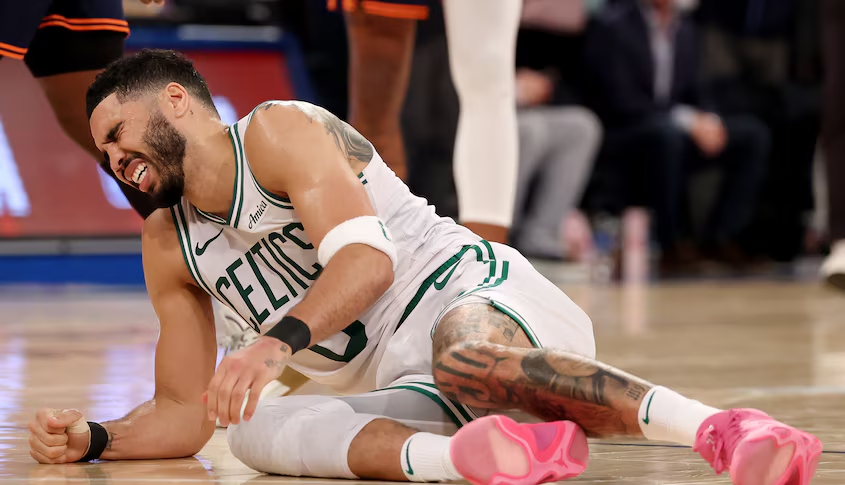
As the 2025‑26 NBA season moves deeper into the regular schedule, one theme has emerged as a defining factor in the league’s competitive landscape: injuries and player availability. What initially appeared to be a typical mid‑season pattern has evolved into a core strategic variable for teams vying for playoff positioning, and it’s reshaping how coaches, front offices and fans view the championship race.
The discussion around injuries this year isn’t isolated to a handful of stars — it’s pervasive enough to affect team identities, rotations, management strategies and even long‑term roster planning.
Rising Injury Calls Highlight Depth Over Star Power
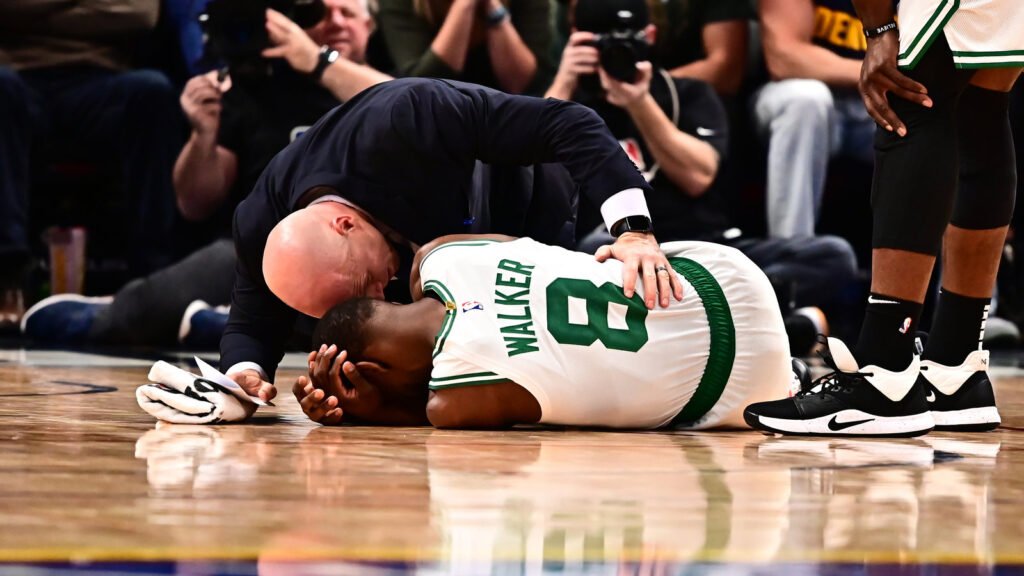
A notable trend in 2026 is that several title contenders are being tested not because of lack of star talent, but due to key rotational players missing time.
For instance:
- Amen Thompson has been one of the higher‑profile names on the recent NBA injury report, not as a headliner for on‑court dominance, but because his presence — or absence — significantly impacts his team’s defensive schemes and transition play.
- Multiple contenders have seen secondary scorers or defensive specialists sidelined, forcing coaches to adjust game plans and tactical priorities mid‑season.
This shift draws attention to a fundamental reality: the value of depth has never been greater. Teams with multiple reliable contributors — particularly in the forward and wing positions — are better positioned to absorb the downtime of one or two key players.
Medical Advances and Extended Recovery Protocols
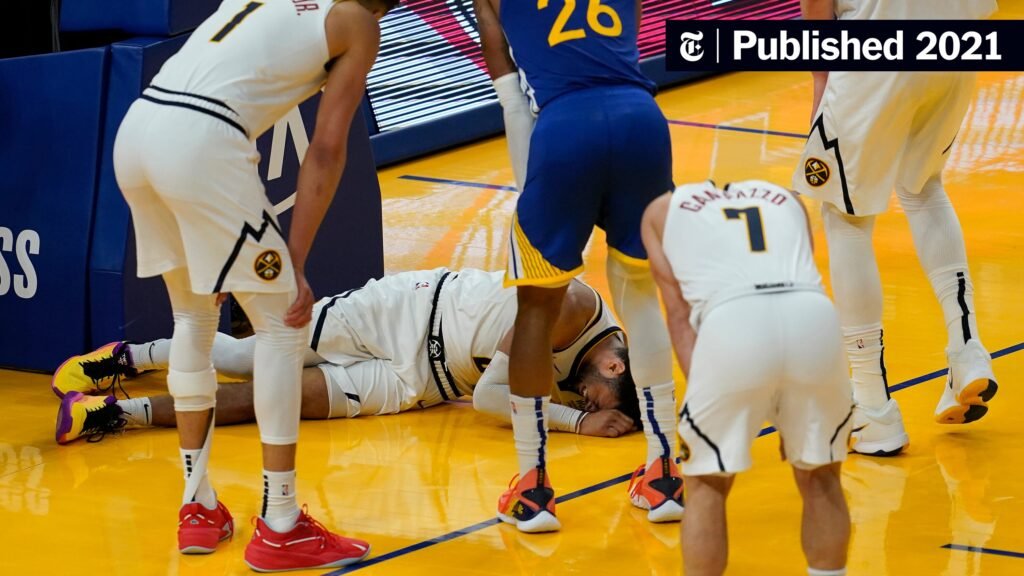
One positive development underlying this challenging injury environment is the evolution of sports medicine and rehabilitation processes within the NBA.
Teams are increasingly investing in:
- Biomechanical screening and monitoring systems
- 24/7 recovery facilities with cutting‑edge technologies
- Data analytics to forecast injury risk patterns
These investments are aimed at not just reacting to injuries, but proactively reducing the likelihood of soft‑tissue tears, overuse injuries and recurring setbacks.
Many teams now employ metabolic monitoring tools that track player fatigue across practices, games and travel schedules, adjusting minutes before a nagging injury becomes significant. While this approach can sometimes limit star playing time, it reflects a shift toward longer‑term health optimization rather than short‑term wins.
Strategic Adjustments by Coaches
The injury landscape has also forced tactical evolution on the coaching side of the league. Rather than relying on traditional 8–9 man rotations, some coaches have expanded their game plans to include:
- Sixth men playing starter‑level minutes
- Two‑way players integrated into defensive schemes
- Positionless lineups emphasizing spacing and versatility
This strategic diversity is helping teams stay competitive even when key contributors are out.
For example, teams hit by injuries in their backcourt are leaning more heavily on forwards who can handle the ball and create plays, while squads missing big men are using more mobile lineups that switch defensively and contest shots without traditional post presence.
Playoff Implications: Seeding and Matchups
Health is now a core factor in playoff seeding predictions. Analysts are increasingly incorporating Injury Adjusted Ratings — metrics that estimate team strength with and without current injured players.
Several implications are already shaping the playoff narrative:
- Contenders are being evaluated not just on current record, but on projected healthy windows in April and May.
- Teams with deep benches are rising in rankings faster than their pure win‑loss records would traditionally suggest.
- Matchup forecasts must consider probable lineups at full strength, not just current rosters.
The volatility introduced by injuries means that a team sitting fifth today might realistically be a top‑three seed if it returns to full health, complicating conventional playoff brackets and betting markets.
Fan and Media Engagement: A Double‑Edged Sword
Injuries also reverberate beyond the hardwood, influencing fan engagement and media narratives:
- Fans are debating the value of rest protocols versus continuation of star appearances
- Social media buzz often eclipses game discussions, focusing on status updates and player timelines
- Sports analysts weigh in not just on performance, but on recovery science and organizational philosophies
Some commentators argue that over‑sensitivity to health reporting risks diluting competitive narratives, while others contend that transparent injury communication fosters deeper fan engagement and trust.
Looking Ahead: A Health‑Driven Playoff Race
As March approaches and playoff stakes rise, the injury dynamics of 2026 highlight a broader evolution within the NBA: success is no longer measured solely by star talent, but by organizational resilience, medical foresight and strategic adaptability.
In a season where the margin between contenders is razor‑thin, the ability to manage player health — scientifically, tactically and culturally — may become one of the most decisive competitive advantages in modern professional basketball. _futnews24
anather news : https://futnews24.com/nba-in-2026-injury-headlines-rising-stars-and-high%e2%80%91tech-training-facilities-shape-the-season/