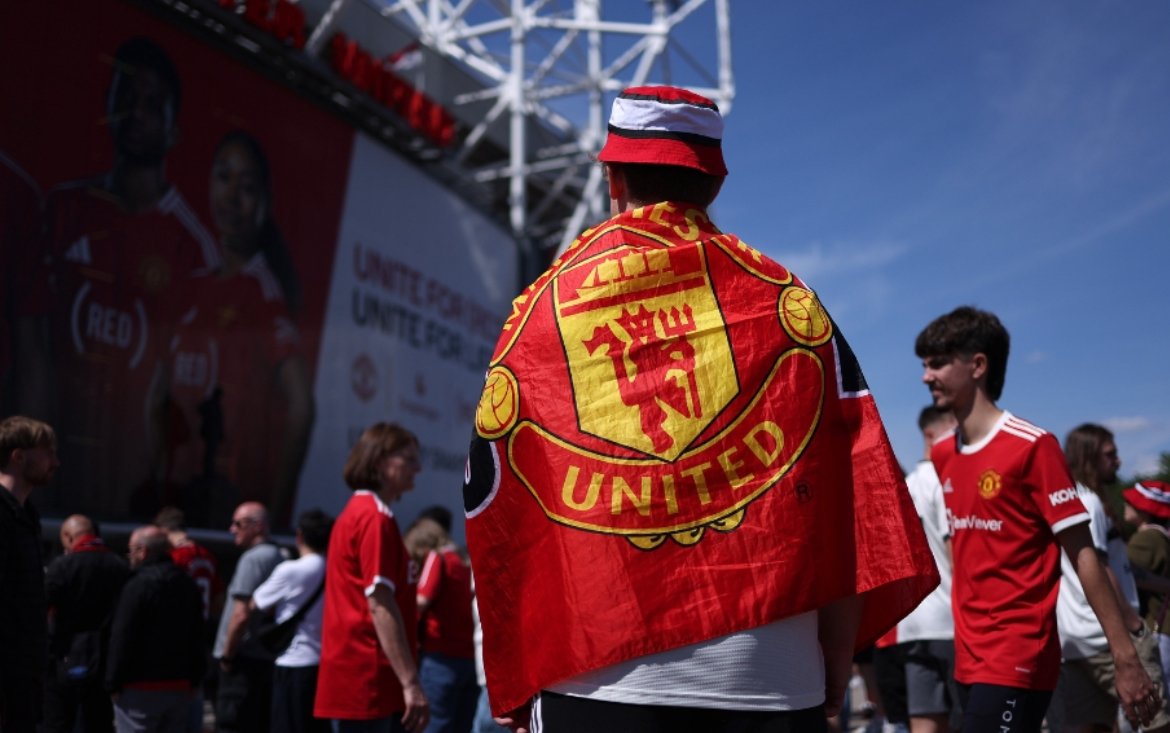
Few football clubs in the world command the stature and legacy of Manchester United. From Sir Alex Ferguson’s legendary era to Cristiano Ronaldo’s record-breaking return, the Red Devils have dominated headlines for decades. Yet beneath the trophies, fan fervor, and global branding lies a story of financial complexity that is rarely told — a story of debts, clever engineering, and audacious strategies that have shaped one of football’s richest empires.
The Shadow of the Glazers
In 2005, the American Glazer family acquired Manchester United in a leveraged buyout valued at £790 million, a deal that saddled the club with enormous debt. What few outside insiders knew was the intricate structure of that acquisition: the Glazers borrowed against the club’s own assets, transferring a staggering portion of the risk to the team itself.
For years, the debt reshaped decision-making at Old Trafford. Every transfer, every sponsorship deal, even stadium improvements had to be carefully measured against servicing loans that at times exceeded £500 million. Fans’ protests and banners calling for a sale weren’t just symbolic; they reflected the anxiety over a club rich in history but weighed down by financial obligations.
Profitability vs. Leverage: The Hidden Balancing Act
While Manchester United has posted record revenues — surpassing €800 million annually in recent years — the underlying story is one of a continuous balancing act. Analysts familiar with the club’s books reveal that profit on paper does not equal liquidity in hand.
Behind closed doors, Manchester United operates with layered financial instruments, including deferred transfer payments, complex sponsorship advances, and a revolving credit facility — all designed to maintain operational flexibility while keeping the debt manageable. These tools allow the club to maintain competitive transfer activity, even in seasons when cash flow is tight.
One of the most intriguing aspects revealed in interviews with former financial executives is how strategic player sales were often timed not just for squad balance but for debt management purposes. Selling high-value players before financial year-end allowed the club to manage taxable gains and ensure regulatory compliance, a maneuver invisible to most fans.
The Stadium That Became a Financial Fortress
Old Trafford, often called the “Theatre of Dreams,” is more than a cathedral of football — it is also a central pillar of United’s financial strategy. Beyond matchday revenues, the stadium has been leveraged for commercial deals, corporate partnerships, and even as collateral for loans.
Sources close to the club reveal that certain sections of the stadium — from executive boxes to premium hospitality suites — were historically earmarked as revenue-backed security to reassure lenders. This meant that, during turbulent seasons, the stadium itself could be instrumental in keeping United solvent.
Global Brand, Local Complexity
The Red Devils’ international strategy has been just as sophisticated. Sponsorships from giants like Adidas, Chevrolet, and TeamViewer were structured with performance-based clauses, meaning the club only realized certain bonuses if global metrics — such as social media engagement, merchandise sales, or broadcast reach — were met. These contracts were deliberately complex to align financial incentives with global growth, something that casual fans rarely understand.
Even more fascinating: internal reports suggest that Manchester United uses a network of subsidiaries across Europe and Asia to channel sponsorship revenue efficiently, while complying with tax regulations. These structures, while legal, underscore the highly sophisticated financial engineering behind a club that, externally, seems simply to “sell jerseys and win games.”
Debt, Risk, and the Future
Today, Manchester United’s total debt nears £1.3 billion, a figure that alarms even seasoned financial analysts. Yet the club continues to operate at profit, largely due to strategic management of assets, sponsorships, and broadcasting rights.
Experts note that this duality — massive debt coupled with sustained profitability — is rare in global business, not just in sport. United’s ability to remain competitive while servicing such a huge liability is a testament to careful financial stewardship, a narrative that contrasts sharply with the popular perception of reckless spending.
The Untold Lessons
The hidden story of Manchester United is one of ingenuity under pressure. While fans focus on trophies and transfers, a parallel narrative unfolds in boardrooms: leveraging stadiums, structuring sponsorships, timing player sales, and managing debt with surgical precision.
It is a saga that shows football at its most complex: a sport where passion meets high finance, where global branding intersects with local obligations, and where a historic club survives, not just because of talent on the pitch, but because of financial brilliance behind the scenes. (Futnews24)
relacionad:https://futnews24.com/manchester-united-returns-to-profit-but-debt-approaches-1-3-billion/