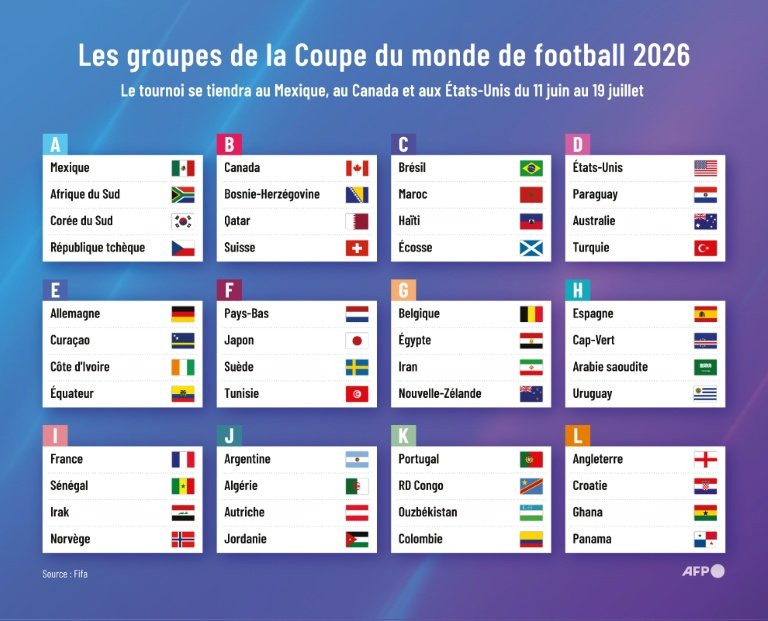

With the countdown to the biggest tournament in world football entering its decisive phase, FIFA has officially opened the final ticket sales window for the FIFA World Cup 2026, triggering a global rush among fans eager to secure a seat at history’s largest edition of the competition.
The governing body confirmed that this last sales phase is being conducted exclusively through its official ticketing platform, operating on a strict first-come, first-served basis. Unlike previous rounds that relied on lotteries, this stage places urgency at the center of the process. Fans entering the system are immediately directed into a virtual queue, where waiting times have already stretched into several hours due to overwhelming demand.
Once inside, buyers are given a limited window—typically around 20 minutes—to complete their purchase before the session expires. This mechanism, designed to streamline access, has instead intensified the pressure on supporters, many of whom are competing in real time for a shrinking pool of tickets.
The numbers behind this final phase are staggering. FIFA is gradually releasing the remaining inventory from a total allocation of nearly seven million tickets for the tournament. More than three million have already been sold across earlier phases, including over one million distributed during the initial lottery held earlier this year. With demand reaching unprecedented levels—reportedly surpassing 500 million ticket requests globally—the race for the final entries has become fiercely competitive.
Pricing, however, has emerged as one of the most controversial aspects of this last sales push. Ticket costs vary dramatically depending on the match, location, and perceived demand. High-profile fixtures, particularly those involving football powerhouses, have seen prices surge to levels that many fans consider prohibitive. Matches featuring teams like France national team, Argentina national team, and Brazil national team are already sold out, reflecting both their global appeal and the intense competition for access.
Meanwhile, select fixtures still have limited availability, though often at significantly increased prices compared to earlier sales windows. Even opening matches and key group-stage encounters have seen sharp price inflation, driven by dynamic pricing models that adjust according to demand in real time.
FIFA has defended this pricing strategy, stating that flexibility is essential to reflect market realities. According to the organization, some tickets have retained their original value, while others have been adjusted upward due to exceptional interest. However, critics argue that such practices contradict earlier assurances of accessibility and risk alienating traditional fan bases.
The controversy has extended beyond pricing into broader concerns about fairness and transparency. European fan organizations have already filed formal complaints with regulatory bodies, accusing FIFA of maintaining opaque sales processes and exploiting its dominant position in the global football market. These groups are calling for clearer rules, fairer access, and stricter oversight of ticket distribution systems.
Adding another layer to the issue is the secondary market. FIFA has confirmed the reopening of its official resale platform, allowing fans to buy and sell tickets legally. Yet this system has also drawn criticism, particularly over the high resale prices that often exceed initial face values. While FIFA maintains that it does not control fan-to-fan pricing in countries like the United States and Canada, regulatory differences—such as stricter resale laws in Mexico—have created inconsistencies across host nations.
The 2026 tournament, co-hosted by the United States, Canada, and Mexico, is set to be the largest World Cup ever staged. Featuring an expanded format of 48 teams and a total of 104 matches, the competition represents a major evolution in the global game. FIFA is aiming to break the all-time attendance record set during the 1994 World Cup, which sold 3.5 million tickets—a benchmark now well within reach given current demand trends.
As anticipation builds, this final sales phase represents more than just a commercial operation—it is the last opportunity for millions of fans to be part of a historic sporting moment. But with rising costs, limited availability, and mounting criticism, the path to securing a seat at the 2026 World Cup is proving to be as competitive as the tournament itself.