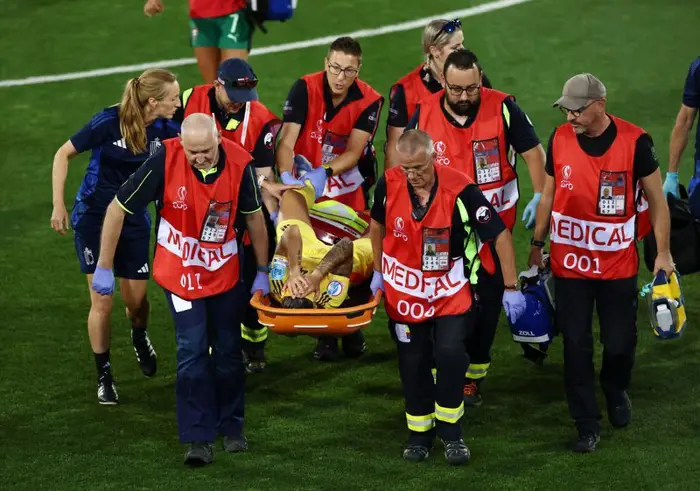
A growing body of research and recent high-profile incidents on the pitch have thrust concussion and brain health in football (soccer) to the forefront of global sports safety discussions. As leagues from grassroots to elite professional levels grapple with how to protect players’ long-term neurological well-being, federations, medical professionals and player unions are announcing coordinated efforts to evolve protocols, education and enforcement around head injuries.
This wave of concern is not driven by a single event, but by a cumulative pattern of concussions and head impacts reported across multiple competitions in the past year — from domestic leagues in Europe to international fixtures. Retired players, scientists and health advocates have publicly expressed urgency, calling on governing bodies to adopt stronger protective measures.
Behind the Growing Numbers
Recent data collected from professional leagues in Europe, North America and South America reveals a marked increase in reported concussions over the last three seasons. Analysts say the rise is likely due to a combination of factors:
- Faster pace of play and more aerial duels
- Increased physicality and tactical emphasis on crossing and headers
- Better injury reporting and awareness among teams
Doctors specialising in sports neurology emphasize that more accurate reporting does not necessarily mean football has become fundamentally more dangerous; it could also reflect greater awareness and improved detection methods. However, the rate of recurrent concussions — where players sustain multiple head injuries over time — remains a pressing concern, particularly for athletes under age 25.
High-Profile Incidents Fuel Public Debate
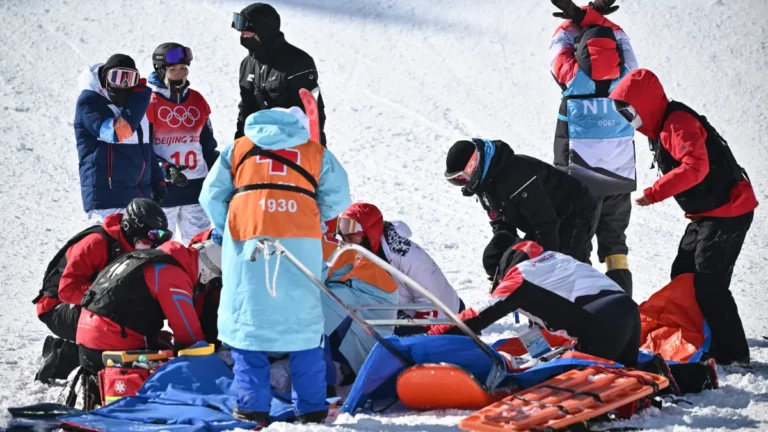
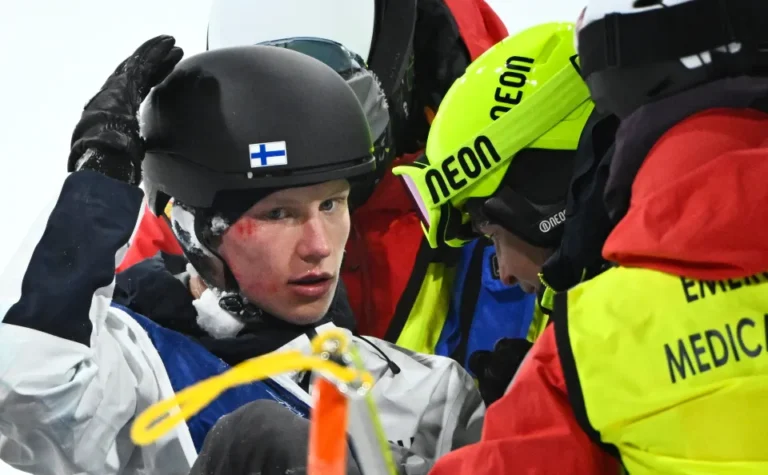
In the last 12 months, several professional players have experienced concussions during prominent matches, leading to visible on-field stoppages and medical withdrawals. These incidents have sparked heated discussions among fans, pundits and medical professionals alike about how to balance the competitive nature of the sport with player welfare.
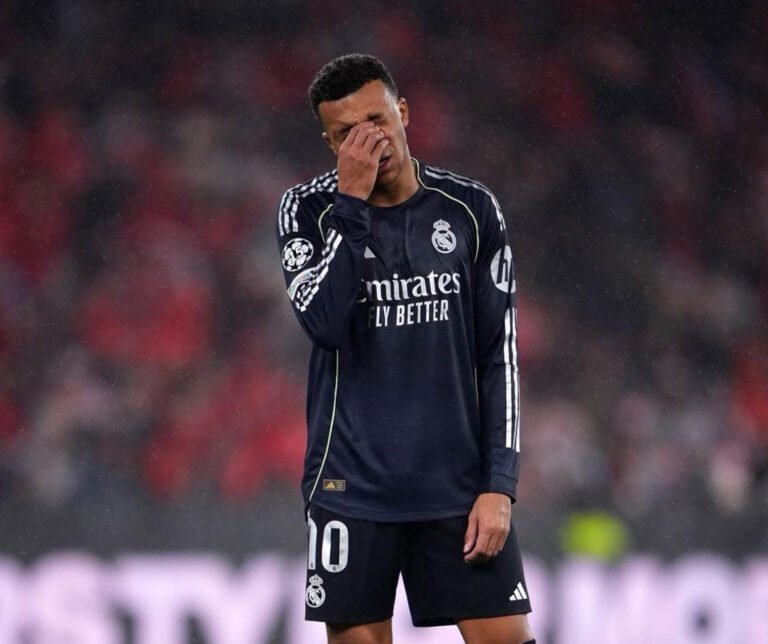
One recent case involved a midfielder in a top European league who suffered a head injury following a collision during a league match in December 2025. The player was removed from play immediately, underwent a comprehensive neurological assessment, and was kept sidelined for several weeks — longer than the minimum recommended recovery period under existing protocols. The club’s medical team later reported that the extended recovery was intentional, prioritising long-term health over short-term availability. This decision drew both praise and criticism, underscoring the complexity of concussion management in elite sport.
Innovative Research and Player Health Programs
Amid rising concern, several international research institutions and sports medicine organisations have joined forces to investigate the long-term effects of repeated head impacts in football. One such effort is the International Football Brain Health Consortium (IFBHC), a multidisciplinary alliance of neurologists, physiologists, biomechanical engineers and former professional players.
The IFBHC’s ongoing studies focus on:
- Baseline and post-season neurological assessments
- Biomarkers in blood and cerebrospinal fluid that correlate with brain trauma
- Wearable sensor technology to measure head impact forces during training and matches
Findings released by the consortium suggest that sub-concussive impacts — hits that do not produce immediate symptoms — may still alter neurological function over time, particularly if accumulated across seasons. This insight is reshaping how clubs and medical teams monitor player health, with many adopting more rigorous mid-season evaluations.
League and Federation Responses
In response to the emerging science and rising public concern, several major governing bodies have begun to revise their head injury protocols:
- UEFA has introduced mandatory in-match neurological assessments for suspected concussions in all European club competitions, with a strict no-return policy on the same day.
- FIFA is working on standardised, global concussion management guidelines that would apply in international tournaments, including pre-competition neurological baselines. _RTP
- Professional player unions in both Europe and North America have called for independent medical oversight of concussion decisions, aiming to remove conflict of interest between team doctors and competitive pressures.
Some leagues are piloting temporary substitution rules for potential concussions, allowing injured players to be assessed thoroughly without leaving their teams numerically disadvantaged. Early feedback indicates that these measures not only improve player safety but also reduce pressure on medical staff to make rapid decisions under high scoreline stress.
Grassroots and Youth Football Initiatives
Concern is not limited to the professional level. Youth football organisations and academies are also adjusting training environments to reduce unnecessary head impacts. Initiatives include:
- Limiting heading drills for younger age groups
- Mandatory concussion education for coaches, parents and referees
- Structured return-to-play protocols that require graduated reintroduction to full training
These changes reflect a growing recognition that brain health management should begin long before athletes reach the professional tiers, preserving health outcomes for a lifetime.
Voices from the Field: Player Perspectives
Current and former athletes have weighed in on the debate. Veteran defenders known for aerial prowess have shared nuanced views — acknowledging the cultural importance of heading in football while also advocating for safer play features and stricter enforcement of high-impact foul penalties.
Retired players with prolonged careers have expressed particular concern for the cumulative effects of repetitive minor impacts, not just documented concussions. Their testimonies have helped inform the research agenda and policy revisions currently underway.
Looking Ahead: Balancing Performance and Protection
As football evolves tactically and physically, sports medicine experts stress that athlete welfare cannot be an afterthought. The sport’s governing bodies face the challenge of embracing scientific recommendations without fundamentally altering the character of the game.
The consensus emerging from scientific, medical and player communities is clear: Effective concussion management is vital for the long-term integrity and sustainability of football. Continued research, coupled with proactive policy implementation, will be critical in safeguarding athlete health amid the sport’s relentless advance.
In the coming years, the sport’s ability to integrate cutting-edge neurological science with competitive frameworks will be seen as a defining achievement — one that could influence safety standards across all contact and collision sports. (futnews24)