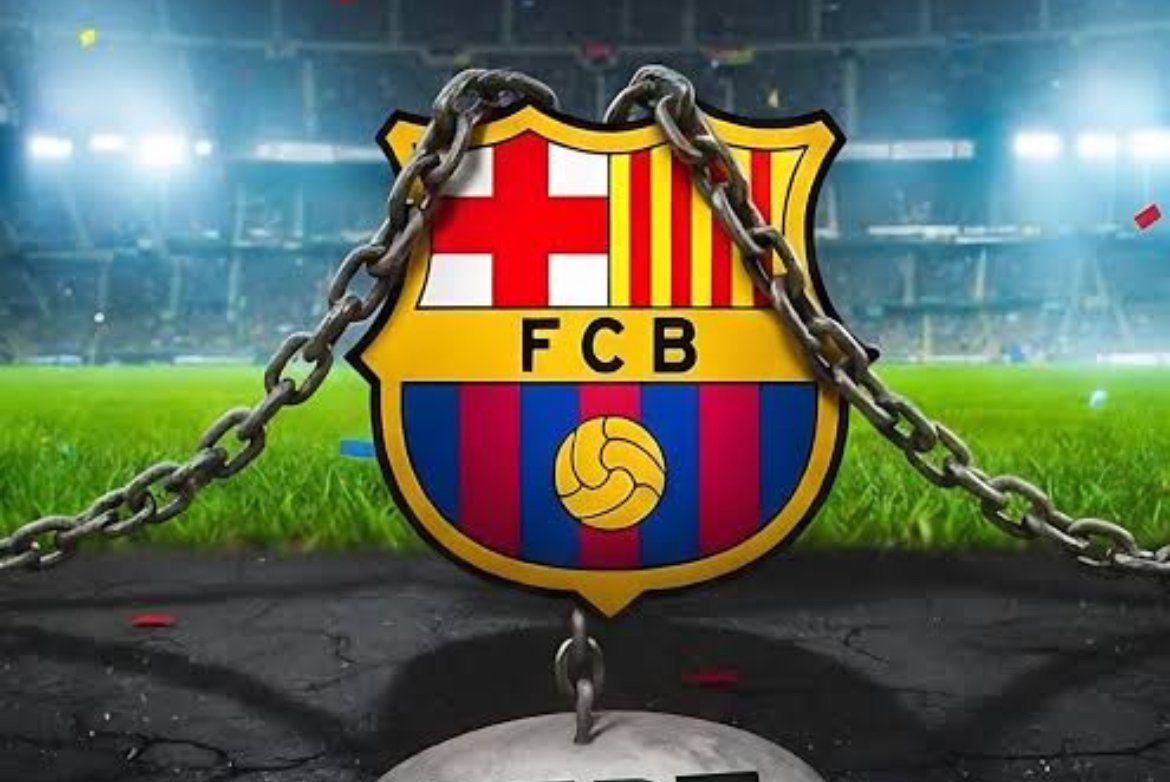
When people hear about FC Barcelona’s finances, the first thing that comes to mind is debt — the enormous losses, the painful wage cuts, and the struggle to keep Lionel Messi at the club. But the full financial narrative of Barcelona is far richer, more complex and surprisingly strategic, involving hidden revenue streams, clever asset management, and financial reforms that few fans truly understand.
This is the untold financial story of Barcelona — a club that nearly collapsed financially, but is now reshaping its economic identity.
The Debt Crisis That Shook the Football World
By 2021, FC Barcelona’s debt had swelled to approximately €1.35 billion, a figure that shocked even seasoned financial analysts. Unlike many clubs that accumulate debt due to poor results or one bad season, Barcelona’s financial struggles were the result of a years‑long expansion strategy gone wrong, combined with over‑reliance on player amortization and short‑term borrowing.
Several factors contributed:
- Massive contracts that tied the club to high wages
- Poorly structured transfer deals with heavy future payments
- Revenue shortfalls from the pandemic, which drastically reduced matchday income
But while the debt figure was real, it obscured an important detail:
Barcelona’s debt was not just financial — it was structural.
Their financial problems weren’t simply about owing money — they were about a business model that had outgrown its revenue base.
The Structural Flaws Behind the Crisis
Barcelona’s financial architecture had four major weaknesses:
🔹 1.
Overdependence on Player Asset Valuations
Many clubs record players as assets whose value depreciates over time. Barcelona’s books, however, relied heavily on inflated player valuations — meaning that the club’s financial strength looked better on paper than in real cash flow.
In simple terms: Barcelona counted estimated future value as part of its balance sheet, even when actual cash was not guaranteed.
🔹 2.
Transfer Timing That Backfired
For decades, Barcelona engaged in transfer deals that delayed payments for years, assuming that future revenues would cover them. This is known as deferred transfer accounting — and works well only if revenue growth is steady.
But when revenue growth stalled (especially during COVID‑19), deferred costs piled up faster than income — a financial mismatch that drove debt higher.
🔹 3.
Wage Inflation and Contract Extensions
Barcelona had offered some of the richest contracts in football. Keeping stars like Messi, Griezmann, and Ter Stegen under long, expensive deals looked good on paper — but in reality, it meant huge fixed expenses that were hard to reduce once the club’s revenue dipped.
Even after restructuring, the wage bill remained among Europe’s highest — a legacy cost from earlier years.
🔹 4.
Lack of Tangible Revenue Diversification
Unlike rivals such as Real Madrid, which heavily monetized stadium renovations and year‑round commercial use of assets, Barcelona’s financial focus remained tied to matchday income, broadcast rights, and sponsorship — all of which were vulnerable during economic downturns.
This over‑dependence left Barcelona exposed when revenues declined.
From the Brink — The Financial Rebuild Begins
After 2021, a major restructuring took place — perhaps the most significant in the club’s modern history.
🏟️
Spotify Camp Nou Era: A New Commercial Strategy
One of the most transformative developments has been commercializing the ️Spotify Camp Nou (renamed after a major global partnership). This deal is not just a naming right — it represents a multi‑year revenue stream that reshapes Barcelona’s international commercial positioning.
Unlike traditional sponsorships, Spotify’s partnership involved brand integrations, digital content rights, and joint global marketing initiatives, providing a more stable and diversified revenue flow.
📊
Financial Oversight and Salary Caps
Under strict financial fair play (FFP) standards from La Liga, Barcelona introduced:
- Salary caps linked to actual revenues
- Performance‑based bonuses replacing guaranteed high wages
- Contract resets to control long‑term obligations
These measures reduced the wage burden significantly — a crucial step in restoring financial stability.
💼
New Commercial Ventures
Barcelona began exploring revenue sources beyond football:
- Esports partnerships and digital content platforms
- NFT and metaverse initiatives (aligned with global trends)
- Premium hospitality & multipurpose venue use at Camp Nou
These efforts reflect a new business mindset focused on long‑term recurring income.
Barça’s Debt Today: Realistic, Not Catastrophic
While the club still carries debt, the narrative has shifted:
- Barcelona’s actual net debt has been reduced through structured repayments
- Major sponsorships contribute to predictable future revenues
- Non‑sporting revenue streams are steadily increasing
Financial reports now show a leaner, more manageable financial profile, with the club no longer dependent on uncertain future player sales to balance budgets.
This turnaround demonstrates not simply survival, but strategic realignment — a valuable lesson for football clubs worldwide.
The Untold Legacy: What Many Fans Don’t See
Above all, Barcelona’s financial story isn’t primarily about debt — it’s about adaptation and reinvention.
📌 A democratic ownership model (club members rather than private owners)
📌 A shift to commercial diversification
📌 Revenue innovation through global partnerships
📌 Risk‑managed contracts and wage discipline
These strategic pivots have helped the club emerge from one of the toughest financial crises in sports history — and they remain foundational to Barcelona’s future competitiveness.
Conclusion — Beyond the Headlines
The real financial story of FC Barcelona isn’t simply “debt and loss.” It’s a rich tapestry of risk, restructuring, innovation, and strategic rebirth.
From creative commercial partnerships to smart financial governance, Barca’s hidden financial evolution shows how history, global brand power, and economic resilience can combine to save — and then reshape — one of football’s greatest institutions. (Futnews24)
Relacioned: https://futnews24.com/manchester-united-the-untold-financial-saga-behind-the-red-devils-empire/