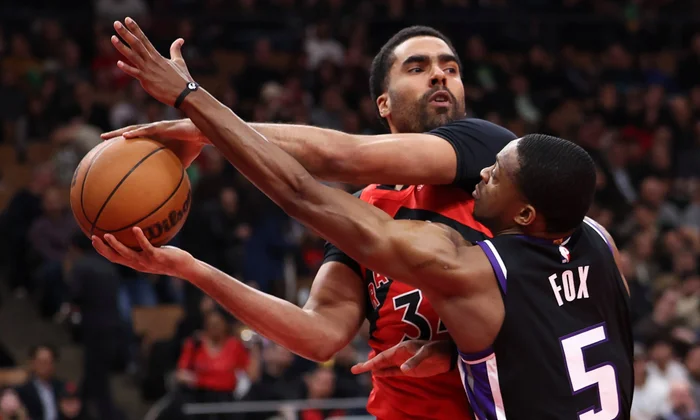
In a stunning turn of events that has electrified the U.S. basketball world, Jontay Porter — once banned for life from the NBA — is officially returning to professional play, signing with the Seattle SuperHawks of the United States Basketball League (USBL) for the upcoming 2026 season.
Porter’s comeback story is one marked by fame, fall, legal scrutiny, and now a surprising new opportunity — but not without controversy. His journey back to the court raises questions about redemption, accountability, and the evolving landscape of professional basketball in America.
From NBA Promise to Lifetime Ban
Once a promising talent with the Memphis Grizzlies and later the Toronto Raptors, Jontay Porter’s NBA career was cut short in 2024 after an investigation uncovered his involvement in a major gambling scandal. The league determined that Porter had intentionally underperformed in games to influence betting outcomes — a breach of league integrity rules that resulted in a lifetime ban from the NBA.
Porter’s ban was among the most severe in NBA history, not only because of the lifetime nature of the punishment but because it underscored how seriously the sport now treats internal integrity and gambling-related misconduct.
Legal Issues Still Pending
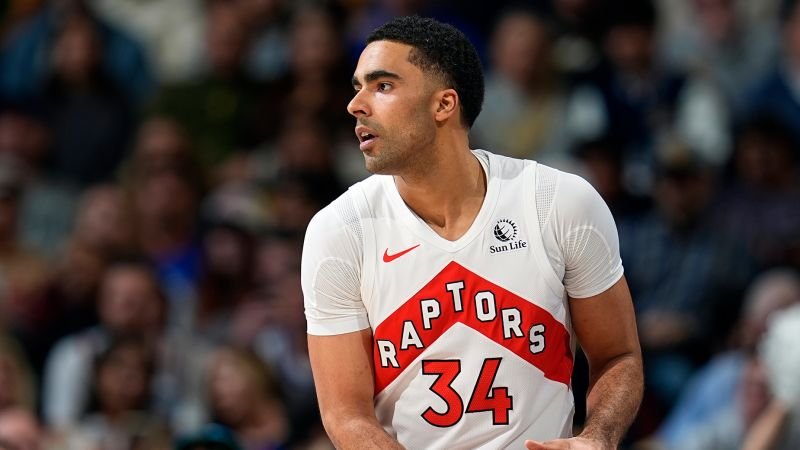
While the ban seemed to close the door on his NBA future, Porter’s legal troubles continued. He pleaded guilty to one count of conspiracy to commit wire fraud in connection with the allegations. Prosecutors in the case have indicated that Porter may face three to four years in prison when he is sentenced later this year, a stark reminder that while he may be returning to the hardwood, his legal situation remains unresolved.
Despite this, the USBL has signed him to its 2026 roster — a move that has sparked debate across American sports circles.
A Second Chance in the USBL
The USBL — a league that has relaunched with the aim of expanding professional basketball opportunities beyond the NBA and international circuits — began its season schedule for March 7, 2026. Porter’s addition adds instant star power and media attention to the fledgling league.
In announcing the signing, the SuperHawks emphasized their commitment to fair play and competitive integrity. In a statement released by the league, USBL officials affirmed:
The games we play must be decided on the court. Every rule we establish, every policy we implement, and every decision we make is guided by a commitment to fair competition.”
However, critics are quick to point out that bringing in a player with Porter’s history could send mixed signals about accountability in professional sports.
Mixed Reactions from Fans and Analysts
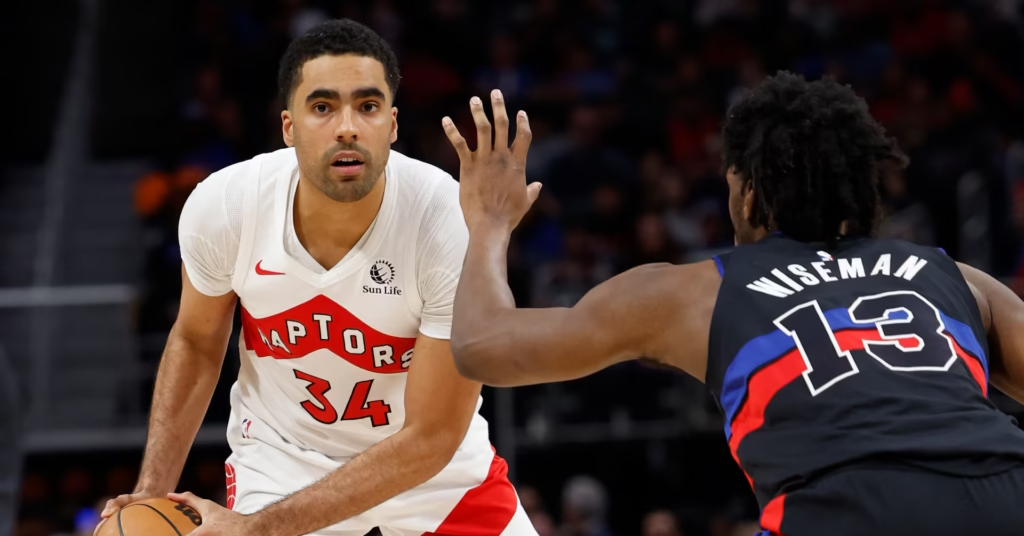
Reactions to Porter’s signing have been sharply divided:
- Supporters argue that the SuperHawks’ decision reflects a belief in rehabilitation and second chances — a cornerstone of the American ethos in both sport and society.
- Critics say that his return to professional basketball so soon after a lifetime ban risks normalizing behavior that undermines the credibility of professional leagues.
Social media platforms and basketball forums have seen heated discussions, with many users debating where the line should be drawn between punishment and opportunity.
Impact on the USBL and Broader Basketball Landscape
Porter’s return is poised to be one of the defining narratives of the USBL’s 2026 season. For the league, his presence brings:
- Heightened media attention
- Potential sponsorship deals
- Increased ticket sales and fan interest
But there are also risks, especially if Porter’s legal circumstances overshadow on-court performance.
Should he excel, some argue it might prompt other minor and alternative professional leagues to consider similar signings — a move that could reshape the broader fabric of professional basketball opportunities in the United States.
Looking Ahead: Can Redemption Coexist with Accountability?
Porter’s story is far from over. As the SuperHawks prepare for their season opener, all eyes will be on how he performs, how his teammates respond, and how the basketball community — both at the grassroots and professional levels — interprets this unusual chapter.
His journey raises enduring questions:
- Should athletes be allowed to return to professional play after serious breaches of trust?
- What role do alternative leagues play in offering second chances?
- Can sports balance redemption with maintaining the integrity of the game?
As the SuperHawks’ season unfolds, fans and critics alike will be watching closely — not just the scoreboard, but the larger implications for the future of the sport.