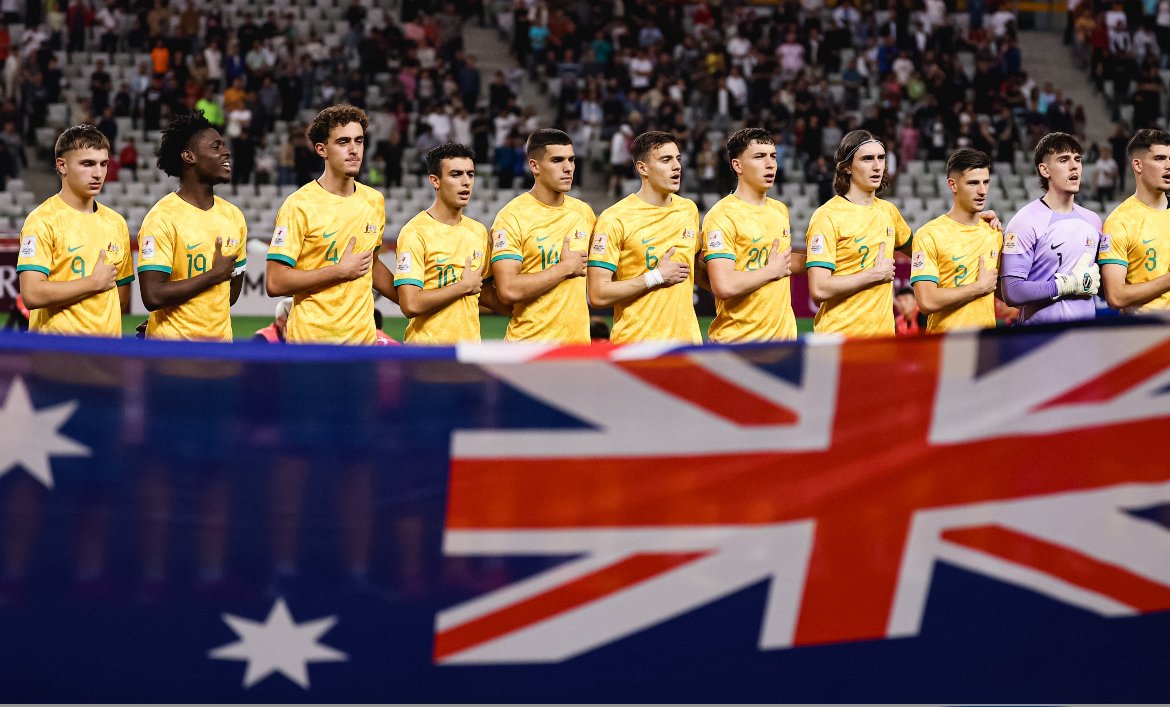
As the countdown to the FIFA World Cup 2026 accelerates, Australia men’s national soccer team — known as the Socceroos — are steadily shaping their squad and tactical identity under head coach Tony Popovic. Across qualifiers, camps, and friendly fixtures, Australia’s path to North America has unfolded with promise, challenges and an ongoing identity evolution that blends youth energy with experienced veterans.
A Strategic Selection Process
Although FIFA has not yet published the final 26-player World Cup list for Australia, recent squad announcements give a clear thread of how Popovic is thinking. Reports from football analysts suggest that the Socceroos’ final roster will likely mix seasoned international performers with younger talents who have impressed domestically and abroad.
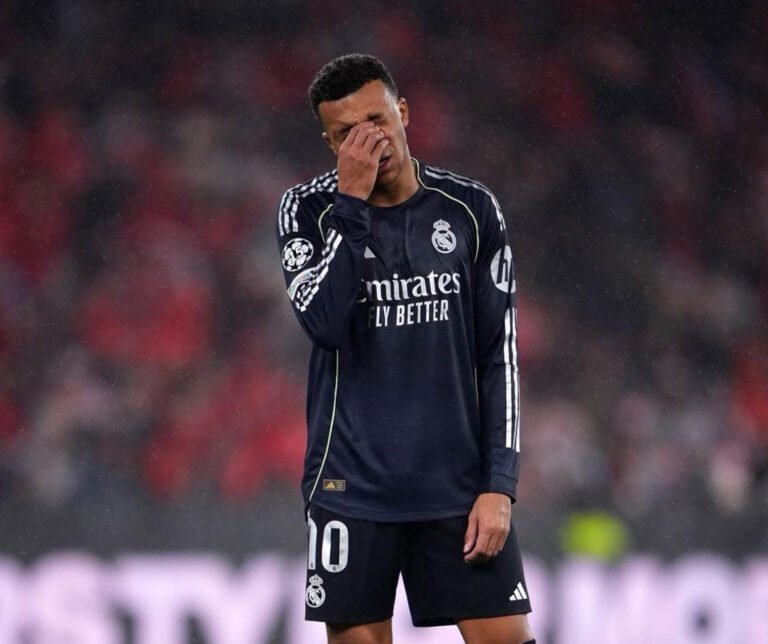
Players like Daniel Arzani, who has been involved in multiple qualifiers and has worn the number 10 jersey during crucial fixtures, seem poised to be part of the World Cup project. Arzani’s skill on the ball and his creative spark provide Australia with a rare attacking edge — one that Popovic will likely want on display in Canada and the United States.
There is also evidence that several uncapped or fringe players are being tested in international windows, such as the revived Soccer Ashes against New Zealand, where Popovic named seven players with no prior senior caps. This approach reflects a broader strategy: to build depth, test potential stars and create tactical flexibility come tournament time.
Balancing Experience and Youth
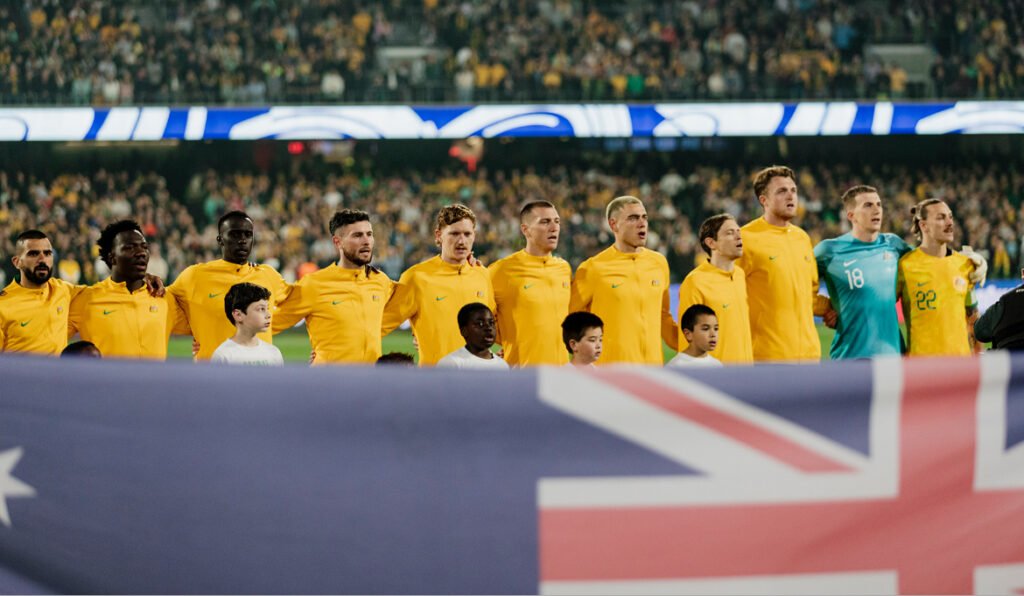
One of the persistent talking points among fans and pundits is how Australia will balance seasoned veterans with emerging talents. In previous qualifying fixtures, players like Matt Ryan and Jackson Irvine — seasoned campaigners with extensive international experience — were central figures. This trust in veteran leadership provides stability, especially in high-pressure matches that demand composure.
However, critics have noted that parts of the squad risk aging, raising questions about long-term competitiveness in a modern World Cup context. Some supporters argue that priority should be given to younger players who can carry Australia’s legacy into future tournaments, rather than relying heavily on older players whose best years are behind them. These debates underscore a broader tension in international football: should experience trump potential — or vice versa?
Injury Concerns and Final Preparation
Recent developments underline that squad shaping isn’t just a matter of selection — it’s also about managing fitness and risk. A key emerging concern is the reported groin injury suffered by striker Mohamed Toure during club duty at Norwich City. With Australia’s World Cup set to kick off in a few months, his fitness status will be a major talking point if he is to retain a place in the final squad — especially if Toure continues to demonstrate the goal-scoring instinct he showed before injury.
Such uncertainties highlight the delicate balance coaches need to strike between optimism and realism. Every withdrawal or late injury forces tactical readjustments, particularly in attack, where Australia seeks players who can both create and finish chances against world-class opposition.
A Squad with Identity and Purpose
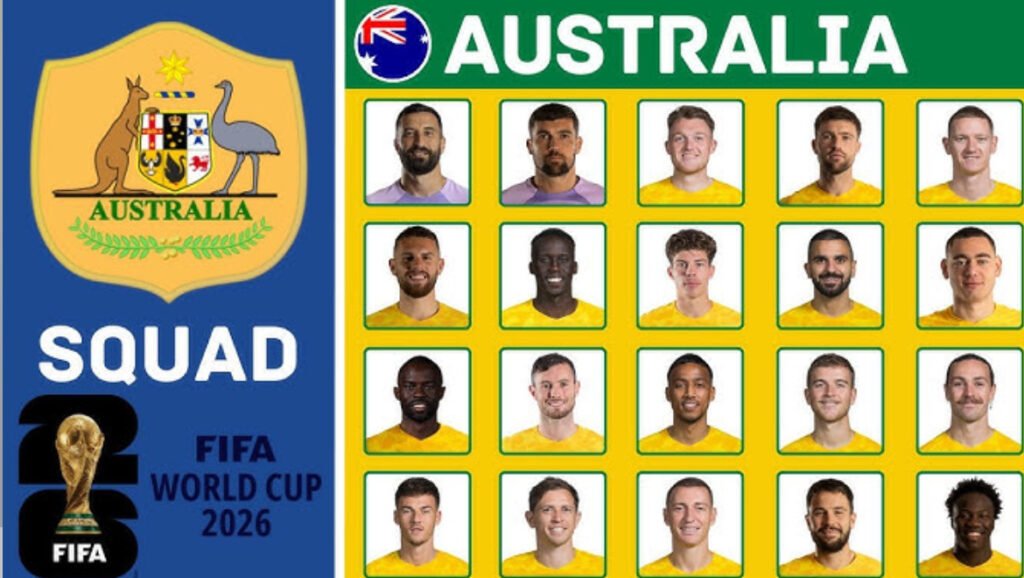
From a tactical standpoint, Tony Popovic’s Australia appears to be cultivating a playing style rooted in defensive organization, possession discipline, and counter-attacking effectiveness. This is not just pragmatic — it reflects an acknowledgment of Australia’s current standing in global football. Rather than attempting to out-muscle top European teams in physicality or flair, the Socceroos aim to be structured, cohesive and unpredictable. Critics and fans alike have mixed views: some praise the tactical maturity, while others yearn for a more adventurous, attacking philosophy.
But there’s no ignoring the fact that Australia’s qualification campaign was built on disciplined performances and clutch results in Asia’s tough qualifying group — a competitive environment that tested both tactical acuity and character.
Looking Towards June 2026
As the Socceroos prepare to finalize their World Cup roster, several themes emerge:
- Youth infusion vs. experience management — deciding how to balance promising newcomers with established veterans.
- Injury management and fitness monitoring — particularly critical given the compressed schedule of friendlies and qualifiers.
- Identity clarity — how Australia‘s style under Popovic translates into success against international opponents.
One thing is certain: Australia’s squad filing for FIFA World Cup 2026 will be the result of months of testing, adaptation, and, most importantly, strategic planning with one goal in mind — to make a statement on the world stage. Whether that statement is progression into the knockout rounds or an upset against higher-ranked teams, the Socceroos will step onto the pitch with a blend of ambition, passion and national pride not seen since their last World Cup appearances._futnews24