
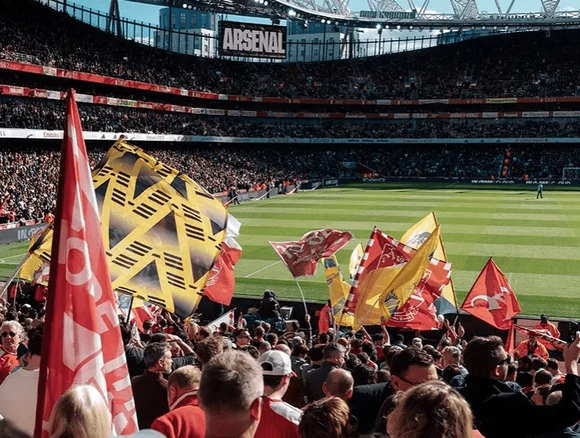
In a sport often dominated by staggering debt figures and headline-grabbing losses, Arsenal Football Club has quietly positioned itself as one of Europe’s most financially astute big clubs — blending on-pitch success with commercial growth and long-term stability. While rivals have made news for massive deficits or risky spending, the Gunners’ story reflects a strategic financial evolution that has largely gone unnoticed outside industry circles.
Record Revenues Amid Premier League and Champions League Success
Arsenal’s most recent financial results for the 2024/25 season reveal a remarkable milestone: the club achieved record revenues of £691 million, driven by a strong Premier League campaign and a deep run to the UEFA Champions League semi-finals.
This growth was fueled by multiple pillars:
- Matchday Revenue Boom: Increased attendance and higher ticket prices pushed matchday income to an impressive £153.9 million.
- Broadcasting Windfall: Success in Europe amplified Arsenal’s share of television rights, with broadcast revenues climbing to £272.8 million.
- Commercial Expansion: Arsenal’s commercial partnerships have surged, with notable deals involving global brands such as Adidas, Coca-Cola, Spotify, Google Pixel and others, helping bolster revenues to over £263 million.
- Merchandise Sales Upswing: Shirt and merchandise sales have hit new heights, outpacing previous seasons thanks to global fan engagement and strategic branding efforts.
From Losses to Near-Break-Even: A Turnaround Story
Despite posting a £1.4 million loss in the 2024/25 financial year, the context is important: this was a significant improvement over prior years. Just a season earlier, the club recorded a much steeper loss of £17.7 million, and cumulatively suffered losses over several consecutive seasons prior to that.
Rather than a sign of instability, this narrowing deficit reflects a disciplined approach to investment — balancing competitive spending on players with prudent cost management and revenue maximization. Arsenal’s wage bill did rise, hitting a club record, yet it remained a manageable proportion of total income (around 50%), keeping the club within Premier League and UEFA financial regulations.
Commercial Growth: The Unsung Engine
What truly sets Arsenal apart is its commercial ingenuity. At a time when rivals may struggle to monetize their global brands, Arsenal has harnessed its storied history and contemporary relevance to attract commercial partners at scale. Recent expansions include new global deals and renewals that significantly increased commercial revenues and helped fund strategic transfer windows.
Club leadership, including CEO Richard Garlick and owners Kroenke Sports & Entertainment (KSE), have emphasized branding and global market penetration as pillars of long-term financial health — a philosophy that now underpins Arsenal’s ability to compete both domestically and in Europe.
Transfer Market Strategy: Balanced Ambition
Financial performance is best understood alongside transfer strategy. Arsenal have been active participants in recent transfer markets, with high-profile pursuits like that of Newcastle’s Anthony Gordon potentially shaping the club’s future squad composition.
Yet despite significant spending in recent windows — often with net investment focused on key positions — the club’s careful financial planning has prevented reckless deficits. Instead of relying on high debt, Arsenal’s strategy has been to leverage revenue growth first, then layer in targeted transfer investment.
Why Arsenal’s Financial Health Matters More Than Headlines Suggest
While clubs like Chelsea made headlines with record losses exceeding £350 million, Arsenal’s financial narrative has been quieter — but arguably healthier in the long run. Unlike clubs that rely on heavy leveraging or external debt, Arsenal’s financial foundation is built on revenue expansion, commercial diversification, and strategic investment without sacrificing regulatory compliance.
This model affords several competitive advantages:
- Greater Transfer Flexibility: Arsenal are expected to be “very competitive” in the upcoming transfer window, a direct result of this financial strength.
- Sustainable Growth: Avoiding large, unsustainable deficits helps protect the club from regulatory penalties and financial risk.
- Global Brand Leverage: Strong partnerships and expanding fan engagement amplify revenue potential beyond traditional matchday and broadcast income.
A Model for Modern Football Finances
Arsenal’s financial evolution reflects a broader shift in elite football: profitability is no longer the only metric of success. Instead, balance—between revenue, investment, competitiveness, and regulatory compliance—is emerging as the key to sustainability.
By focusing on controlled growth and capitalizing on its success on the pitch, Arsenal have charted a different course from peers who chase headlines with risky spending. In doing so, they have laid the groundwork not only for competitive squads today but for a financially resilient future that can adapt to the unpredictable dynamics of modern football economics. _futnews24